


If you’ve ever felt that gap between wanting an incredible weekend breakfast and actually pulling it off, I totally get it. So many breakfast recipes look flawless but end up soggy or burnt. We are done with that! This french toast recipe is my secret weapon for bridging that gap, handing you the confidence to create that perfect texture every single time. We’re chasing the dream: buttery, crispy edges paired with a rich, gloriously custardy center. Honestly, mastering this classic technique changed the way I approach brunch. It proves you don’t need rare ingredients; you just need the right approach to create something truly special at home.
- Why This Classic French Toast Recipe Delivers Gourmet Breakfast Results
- Ingredients for the Best French Toast
- How to Prepare Perfect French Toast: Step-by-Step Instructions
- Tips for Success: Becoming a French Toast Expert
- Variations on Classic French Toast
- Serving Suggestions for Your French Toast
- Storage and Reheating Instructions for French Toast
- Frequently Asked Questions About Making French Toast
- Nutritional Snapshot of This French Toast Recipe
Why This Classic French Toast Recipe Delivers Gourmet Breakfast Results
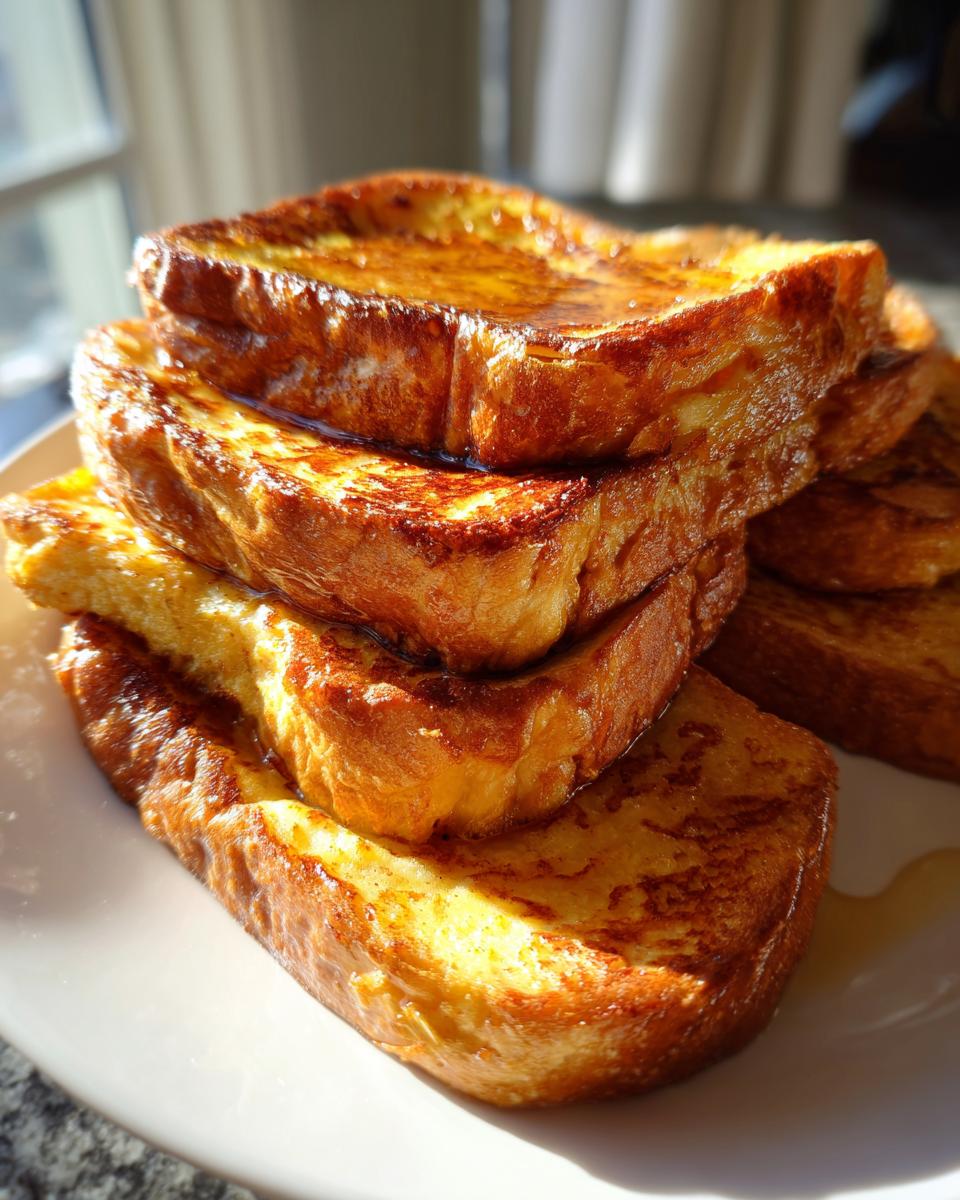
Look, there are a million ways to make French toast, but most of them miss the mark because they skip the fundamentals. This classic french toast recipe isn’t about fancy toppings; it’s about technique that guarantees results. The goal is always two-fold: those glorious, deep golden crispy french toast edges, and center that melts in your mouth versus being underdone or mushy. Mastering this technique is huge for your breakfast confidence; once you nail this, you feel like you can tackle anything! This formula focuses especially on achieving those deep, luxurious custardy french toast centers that professional chefs brag about.
When you follow this method, you are building skill, not just following steps. Knowing *why* we use medium-low heat and *why* we soak the bread a certain way means you can adjust later if you need to! Trust me, once you see that perfect, soft interior, you’ll never go back to quick-and-sloppy mornings again. Stop by my About Page if you want to hear more about swapping intimidation for accomplishment!
Achieving Fluffy French Toast Texture
The secret to a slice that’s perfectly fluffy french toast, not dense or floppy? It all comes down to the bread and the soak. You absolutely must use a sturdy, thick bread. Forget standard thin sandwich slices! We’re looking for rich options like challah french toast or buttery brioche french toast. These breads can handle a proper soak—you want them saturated with that spice-laced egg mixture—without immediately collapsing into sadness when they hit the pan. A good 15 to 20 seconds per side is usually the sweet spot for thickness.
Ingredients for the Best French Toast
When we are aiming for something truly superior, we have to respect the ingredients. This isn’t the time to skimp or substitute wildly, because clarity in measurement is how you build cooking mastery! Getting the right ratio of egg to milk is what guarantees that custardy center we talked about earlier. It feels luxurious, but the ingredient list itself is surprisingly straightforward, which keeps this a genuinely easy French toast morning.
Here is exactly what you’ll need for about three servings. Make sure you have your whisk and a shallow dish ready!
- 6 thick slices of bread (Challah or Brioche work best)
- 3 large eggs
- 1/2 cup whole milk or half-and-half
- 1 teaspoon vanilla extract
- 1/2 teaspoon ground cinnamon
- 1/8 teaspoon ground nutmeg
- 1 tablespoon granulated sugar
- Pinch of salt
- 2 tablespoons butter, for cooking
Selecting the Right Bread for Your French Toast
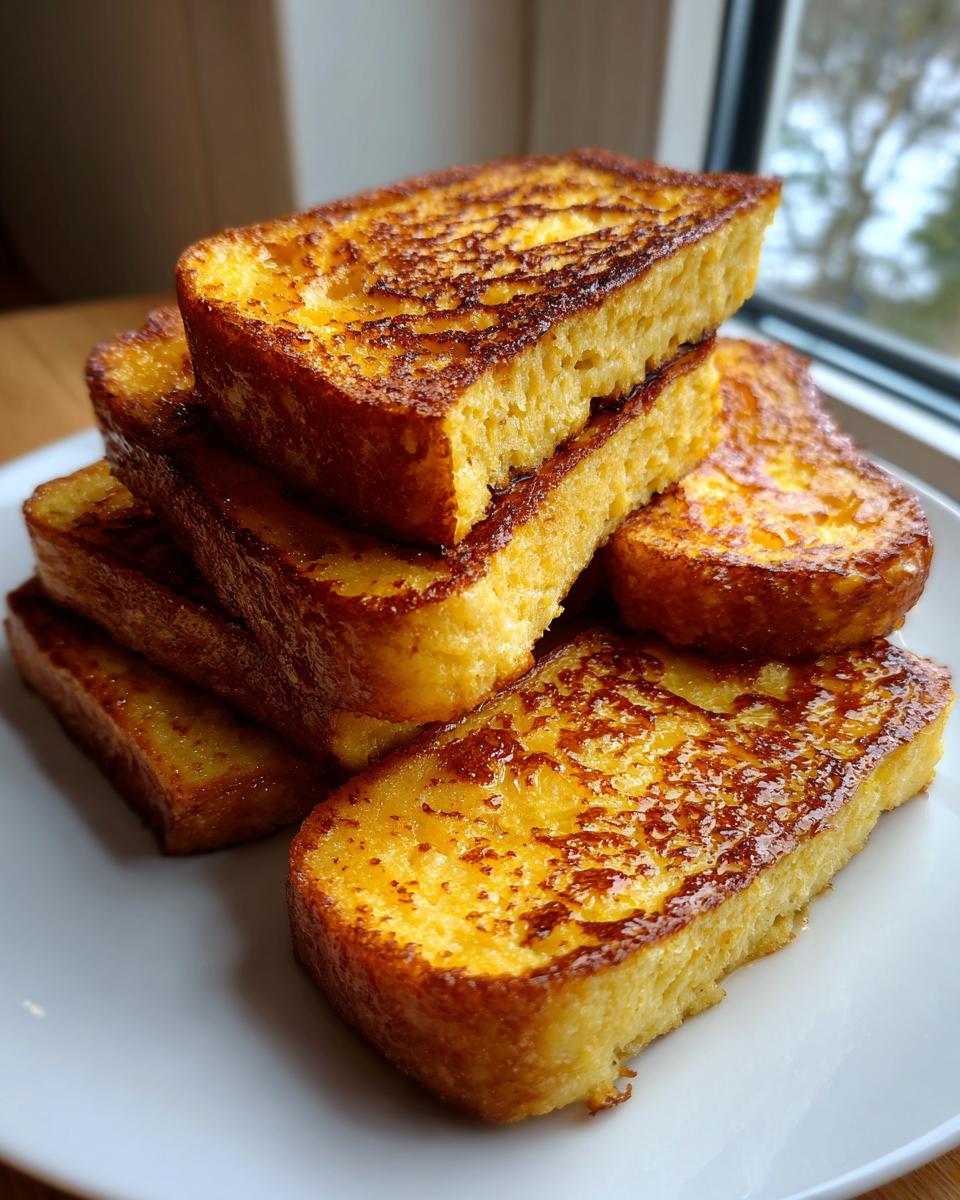
This is one of my biggest best french toast tips: the bread matters more than you think! While you can technically use any bread, day-old, slightly stale bread is your secret weapon. Why stale? Fresh bread just acts like a sponge and gets mushy too fast when you try to soak it. Stale bread keeps its structure while absorbing all that amazing flavor from the custard, which is key to preventing sogginess. Like I mentioned before, thicker slices of brioche french toast or challah french toast hold up beautifully and deliver that perfect fluffy outcome.
How to Prepare Perfect French Toast: Step-by-Step Instructions
Okay, now that you have your ingredients lined up, let’s get cooking! This is where the magic happens and you prove to yourself that making amazing french toast isn’t some big professional secret. We move through this process logically: first we make the soak, then we get the pan ready, and finally, we cook it low and slow. This entire method is designed to keep things moving so you can have a truly easy french toast breakfast on the table without feeling frazzled. I always keep my little spatula handy, ready for flipping at exactly the right moment!
Mastering the Custard Soak for French Toast
You need to whisk everything—eggs, milk, vanilla, and all those warm spices—in a shallow dish until it looks totally unified. When I make my custard, I look for it to be perfectly smooth, without any bits of egg white floating around. My personal tip? Whisk it for a full minute after you think it’s done! Then, you dip your bread—about 15 to 20 seconds per side. Don’t cheat this soak time, but be careful not to push it too far, or you’ll lose that essential structure and turn the inside into soup instead of getting those glorious custardy french toast centers!
Cooking for Crispy French Toast Edges
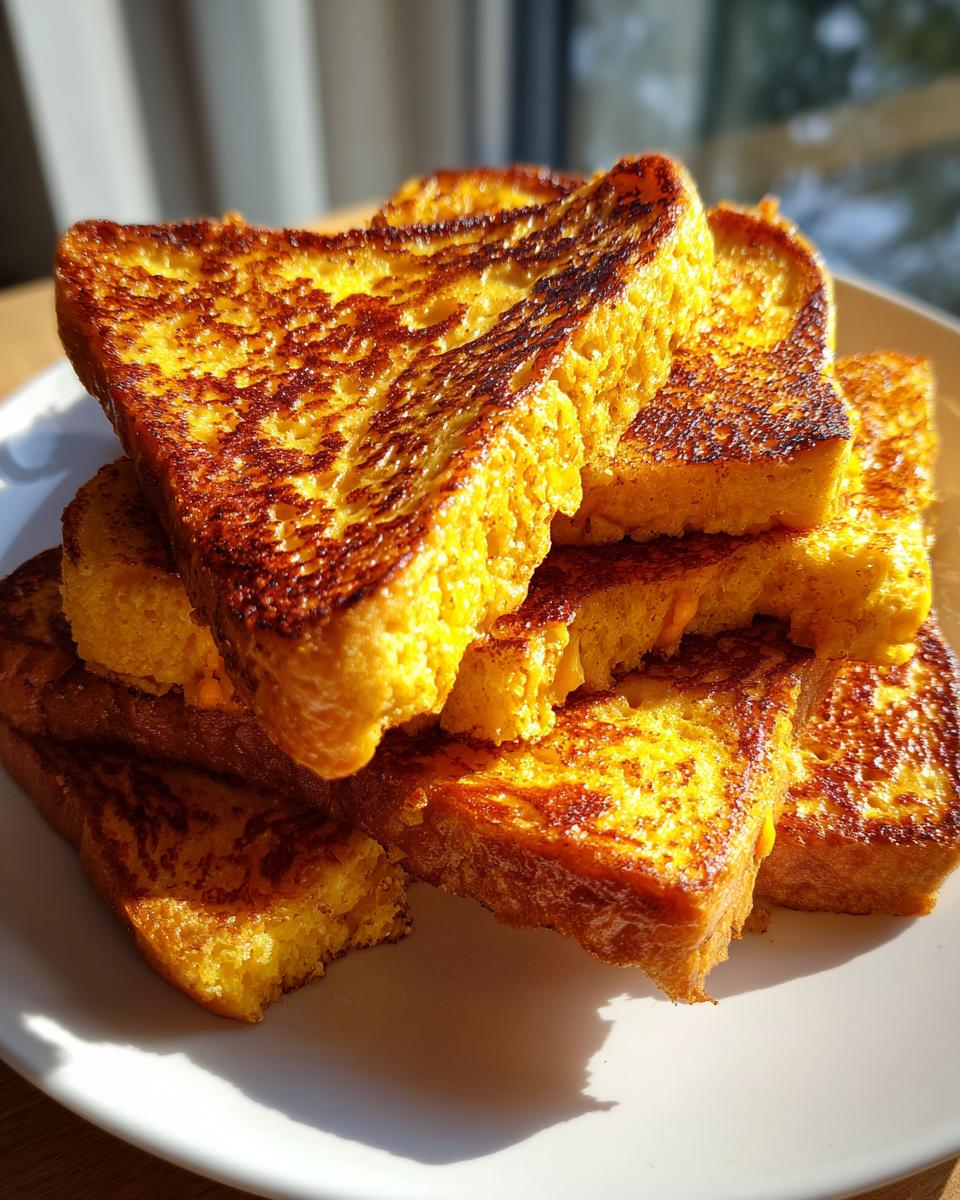
Get your skillet screaming hot, then immediately drop the heat to medium as the butter foams up. We want that butter melted and sizzling, but not instantly smoking black! Cooking low and slow is the key here. This gentle heat allows the egg custard to set deep inside the bread before the outside burns to a crisp. If your bread is browning too fast, turn the heat down even further! You’re looking for 3 to 4 minutes per side. That steady heat is exactly what builds those beautiful, shatteringly crispy french toast edges we love without giving you an uncooked center. You can see a lovely, fast version of this process over at All Mom Recipes!
Tips for Success: Becoming a French Toast Expert
You’ve got the basic recipe down, but I want you to stop just following instructions and start feeling like an expert! Confidence in the kitchen comes from knowing the *why* behind the steps. For instance, the bread choice isn’t just a suggestion; using slightly off-day or stale bread is critical. It won’t turn to mush on you, which is the number one pitfall beginners face!
Remember we talked about the richness? If you want to bump this up to a truly gourmet breakfast level next time, try swapping half of your milk for heavy cream in that custard mix. It makes the inside even denser and more luxurious. And please, promise me you’ll stick to medium heat. It feels slow, I know, but rushing the process guarantees a burnt outside and raw inside. You can check out some great technique deep-dives over at Modern Honey!
Variations on Classic French Toast
Once you’ve mastered the technique for truly great classic french toast, you realize it’s really just a fantastic, sturdy base! You can so easily customize this for any mood or occasion. If you love warmth, just add an extra dash of cinnamon or even a tiny bit of ground cloves to your custard base for a richer, spiced flavor profile—hello, easy cinnamon french toast!
For those mornings when you want to really impress your family or guests, don’t be afraid to try a little something extra. Things like sandwiching two slices together with sweet fillings turn this into an amazing stuffed french toast option. Think ricotta or apple pie filling! You can find some fantastic ideas for decadent fillings, like the cream cheese stuffed french toast, when you want to turn breakfast into a dessert.
Making Overnight French Toast Bake for Easy Brunch Recipes
Sometimes the weekend calls for zero morning effort, right? The beauty of this custard base is that it works perfectly for a make ahead french toast solution. You can cube your bread, layer it in a casserole dish with the custard from this recipe, cover it, and pop it in the fridge overnight. Then, breakfast is literally just baking time in the morning! It’s one of my favorite ways to pull off seemingly complicated easy brunch recipes without stressing.
This adaptation turns your individual slices into a rustic overnight french toast bake, perfect for feeding a crowd or just saving you precious time on your favorite weekend breakfast ideas.
Serving Suggestions for Your French Toast
Once those golden slices come off the griddle, they need a proper send-off! For something truly classic and family friendly french toast, you can never go wrong with a quality maple syrup and a dusting of powdered sugar. If you have fresh berries—strawberries or blueberries work fast—toss them on top!
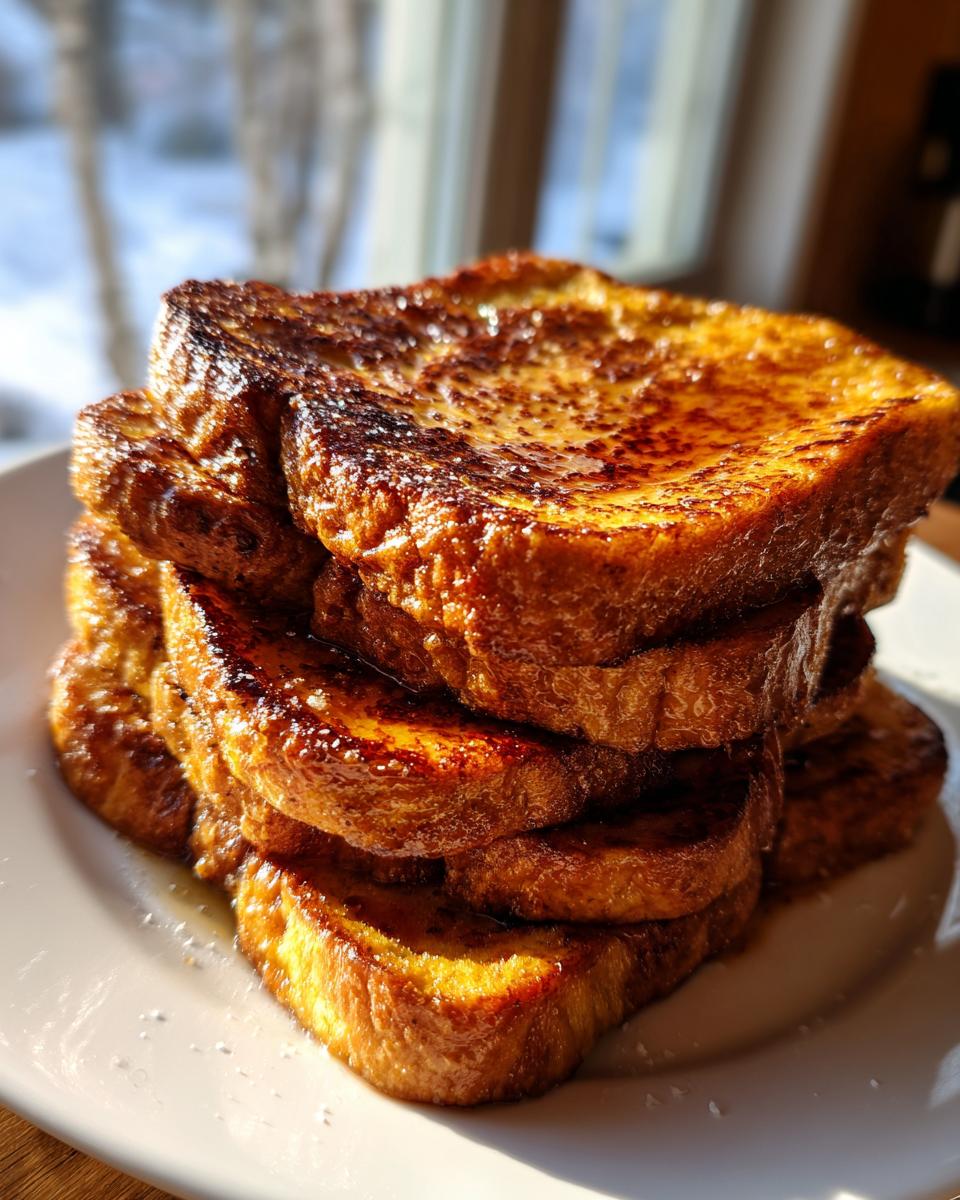
But listen, French toast doesn’t *always* have to be sweet. If you are trying to keep things interesting, try serving it alongside crispy bacon or turkey sausage. A little savory contrast makes that sweet custard base sing even louder!
Storage and Reheating Instructions for French Toast
Even the best french toast sometimes yields leftovers, and we absolutely do not want to waste them! Store any cooled slices in a single layer in an airtight container in the fridge for up to three days. The texture will soften a bit, but don’t worry, we can fix that.
For reheating, skip the microwave if you can—it tends to steam the toast and make it soft. The best route for reviving those crispy french toast edges is a quick trip in the toaster oven or a regular oven set to 350°F for about five minutes until warmed through and slightly crisp again. Perfect!
Frequently Asked Questions About Making French Toast
I know you might still have a few lingering doubts when you’re trying to perfect something spectacular like French toast from scratch. That’s totally normal! It’s all about building that knowledge base so you feel totally comfortable every time you step up to the griddle. Here are a few things people ask me all the time when they’re aiming to make the absolute best french toast tips come true.
What is the best bread for French toast?
Honestly, the best bread is always thick-cut and slightly stale! For maximum richness and that perfect rise, I champion French loaves like Brioche or Challah. They have enough structure to soak up that creamy custard without immediately disintegrating. If your bread is super fresh, just leave the slices out on the counter for a few hours to dry out a bit before you start. That simple trick makes a huge difference!
Can I make this recipe ahead of time?
You absolutely can! This is where the magic of the overnight french toast bake comes in handy. While this particular guide is for immediate cooking, you can assemble the bread and custard in a dish, cover it tightly, and refrigerate it overnight. In the morning, just pop it straight into the oven. It’s one of the biggest secrets to stress-free easy brunch recipes for a crowd.
How do I prevent my French toast from getting soggy?
Sogginess haunts us all! The key to avoiding a mushy mess is managing the soak time and the heat. You need to stick close to that 15 to 20 seconds per side for dipping. We want saturation, not saturation followed by immediate panic! Also, ensure your skillet is hot enough before introducing the butter. If you want to see a great example of handling a bread-based bake ahead recipe, check out the one they use over at Belle of the Kitchen for their casserole!
What makes the center so custardy?
That wonderful, luxurious center comes down to two things: using richer dairy (like half-and-half instead of skim milk) and, critically, not cooking it too hot! If the outside cooks too fast, the center stays raw. By using a medium heat, we give the egg mixture time to bake all the way through, resulting in those beautiful custardy french toast centers. Reach out if you have more questions—you can always contact me via my contact page!
Nutritional Snapshot of This French Toast Recipe
I know that when we are making something traditionally indulgent like this, we sometimes wonder where it fits into our day-to-day eating. While this is definitely a luxury breakfast, knowing the basic nutritional profile helps you plan those easy brunch recipes without feeling totally lost! Keep in mind that these figures are always estimates, depending on the exact brand of butter or type of milk you decide to use. This is just a benchmark to keep things transparent between us!
Here is a quick look at the estimates based on two slices of this classic recipe:
- Serving Size: 2 slices
- Calories: 320
- Fat: 14g
- Saturated Fat: 7g
- Carbohydrates: 38g
- Sugar: 12g
- Protein: 12g
- Cholesterol: 150mg
We use whole milk or half-and-half in the custard, which contributes to the healthy fat content, and the sugar comes naturally from the milk and the tablespoon we add to the mix. It gives you a good boost for the morning! If you are interested in how we protect your information when you visit our site, you can always check out our Privacy Policy for details.
PrintThe Absolute Best Classic French Toast Recipe

You can achieve the perfect balance of buttery, crisp edges and a rich, custardy center with this straightforward French toast recipe. This guide shares the simple steps to make truly great breakfast or brunch.
- Prep Time: 5 min
- Cook Time: 15 min
- Total Time: 20 min
- Yield: 3 servings 1x
- Category: Breakfast
- Method: Pan Frying
- Cuisine: American
- Diet: Vegetarian
Ingredients
- 6 thick slices of bread (Challah or Brioche work best)
- 3 large eggs
- 1/2 cup whole milk or half-and-half
- 1 teaspoon vanilla extract
- 1/2 teaspoon ground cinnamon
- 1/8 teaspoon ground nutmeg
- 1 tablespoon granulated sugar
- Pinch of salt
- 2 tablespoons butter, for cooking
Instructions
- Prepare the custard mixture: In a shallow dish, whisk together the eggs, milk, vanilla extract, cinnamon, nutmeg, sugar, and salt until fully combined.
- Heat a large skillet or griddle over medium heat. Add 1 tablespoon of butter and let it melt until it foams slightly.
- Dip each slice of bread into the egg mixture, allowing it to soak for about 15 to 20 seconds per side. You want the bread saturated but not falling apart.
- Place the soaked bread onto the hot skillet. Cook for 3 to 4 minutes per side until the edges are golden brown and crispy and the center is set. Adjust the heat if the bread browns too quickly.
- Add the remaining butter to the skillet as needed between batches.
- Serve the French toast immediately with your favorite toppings.
Notes
- Use slightly stale or day-old bread. Fresh bread absorbs too much liquid and becomes soggy.
- For extra richness, substitute half the milk with heavy cream to create a richer custard base.
- Cook on medium heat. Cooking low and slow prevents the outside from burning before the custardy center cooks through.
Nutrition
- Serving Size: 2 slices
- Calories: 320
- Sugar: 12
- Sodium: 350
- Fat: 14
- Saturated Fat: 7
- Unsaturated Fat: 7
- Trans Fat: 0
- Carbohydrates: 38
- Fiber: 2
- Protein: 12
- Cholesterol: 150