

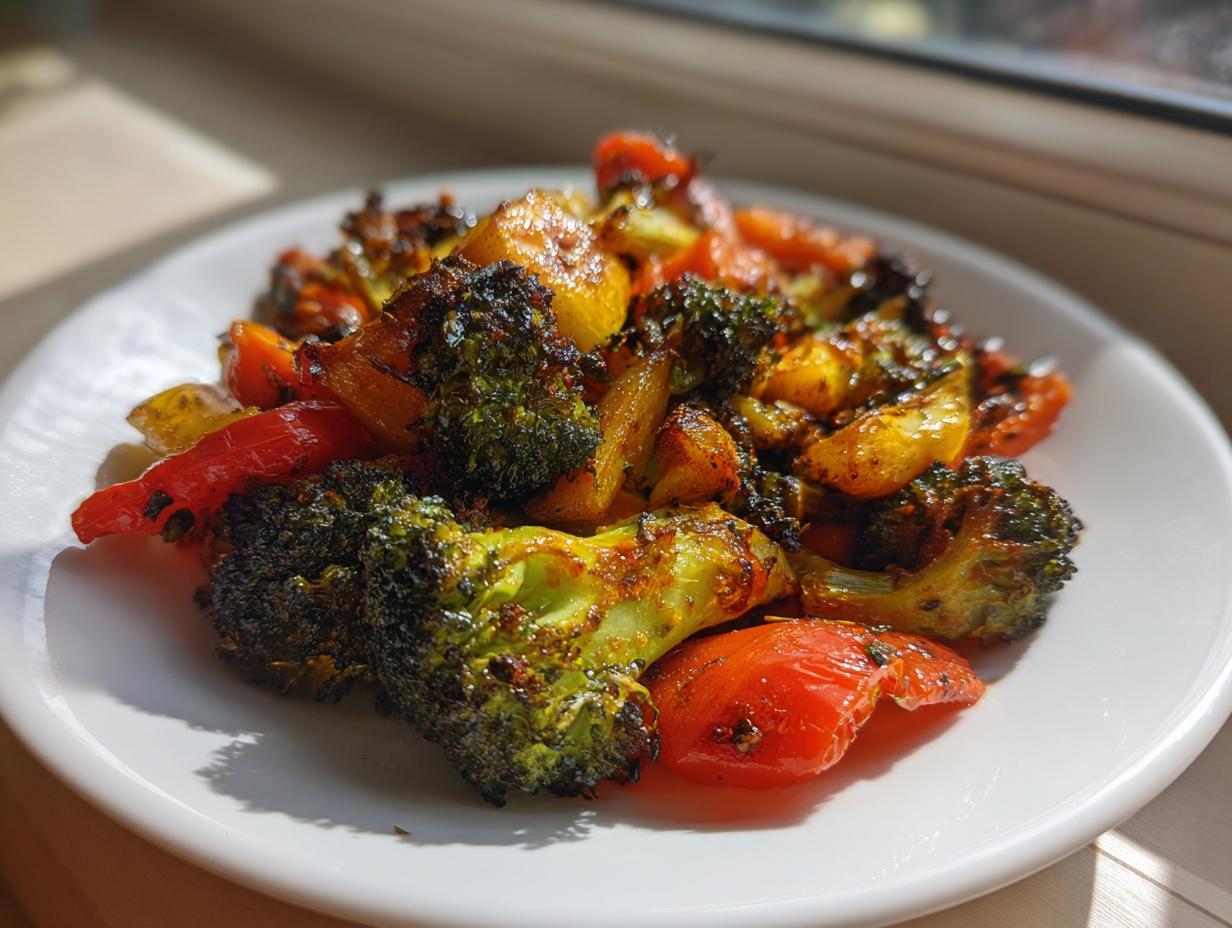
Are you tired of pulling a baking sheet out of the oven only to find a pile of soggy, steamed vegetables instead of those gorgeous, caramelized bites? Trust me, I’ve been there more times than I care to admit when I first started cooking! It felt like mastering roasted vegetables was some secret language only professional chefs knew. But let me tell you, that feeling is wrong! I’m Ava Sinclair, and as someone who definitely didn’t start out knowing how to roast anything properly, I cracked the code. This guide isn’t about fancy equipment or rare ingredients; it’s about one definitive, straightforward technique that guarantees perfect, deeply flavorful, and beautifully crisp vegetables every single time. You can learn more about my own journey from novice to confident creator at the About Page. We’re turning that kitchen doubt into delicious success!
- Why You Will Master Perfectly Seasoned Roasted Vegetables
- The Essential Ingredients for Delicious Roasted Vegetables
- The Caramelized Roasted Vegetables Technique: Step-by-Step Instructions
- Best Seasoning for Roasted Vegetables: Flavor Variations
- Vegetable Medley Roasting Guide: Timing and Selection
- Tips for Success with Oven Roasting Vegetables for Beginners
- Storage and Reheating Instructions for Roasted Vegetables
- Frequently Asked Questions About Roasted Vegetables
- Serving Suggestions for Your Healthy Roasted Vegetable Side
Why You Will Master Perfectly Seasoned Roasted Vegetables
This isn’t just another recipe; it’s a technique that works, no matter what’s in your crisper drawer! Once you learn *how* heat interacts with the vegetables, you unlock your confidence. That’s what Kitchenican is all about—making you feel capable and excited about what’s on your plate.
- You’ll skip the mush for good, consistently achieving those beautiful, caramelized roasted vegetables technique edges.
- These are truly easy oven roasted vegetables; the prep takes minutes, getting you amazing flavor fast.
- Finally, you’ll have go-to quick vegetable side dishes ready for any weeknight scramble.
The Essential Ingredients for Delicious Roasted Vegetables
Okay, let’s talk about what goes into making these roasted vegetables taste like something you actually *look forward* to eating. The beauty of this dish is just how simple the core list is. We aren’t masking the veggies; we’re brightening them up! You only need about two pounds of whatever looks good at the market right now—remember, versatility is king here.
For the base seasoning, here’s what you need:
- 2 lbs mixed seasonal vegetables (make sure they’re cut into uniform, bite-sized pieces!), like broccoli, carrots, bell peppers, or zucchini.
- 3 tablespoons good quality olive oil. Trust me on this—a decent oil makes a difference in how well you get that beautiful caramelization!
- 1 teaspoon kosher salt (don’t skimp on the salt; it pulls out the flavor!).
- 1/2 teaspoon black pepper.
- 1 teaspoon garlic powder and 1/2 teaspoon dried oregano for that classic, savory note.
- Optional Glaze: 1 tablespoon maple syrup and 1 teaspoon Dijon mustard.
Ingredient Notes and Simple Substitutions
This is the flexible part! If you don’t have olive oil, feel free to use avocado oil. It has a higher smoke point which is fantastic for roasting at high heat. When you’re putting together your vegetable medley roasting guide, just remember the density rule. Hard root veggies like potatoes or butternut squash need to be cut smaller than soft ones like zucchini or mushrooms. If you are using those tougher veggies, you might need to give them a 5-minute head start in the oven before adding the quicker-cooking ones. That’s how you make sure everything finishes perfectly tender at the same time!
The Caramelized Roasted Vegetables Technique: Step-by-Step Instructions
This is where the magic happens, folks! Getting that tender interior and those lovely, browned edges on your roasted vegetables really hinges on a few key moments. Don’t rush these first few steps, especially the pre-baking prep. Our goal is always to roast, not steam them into submission!
- First things first: Crank that oven up to 425 degrees Fahrenheit—that high heat is your best friend for getting that immediate caramelization going.
- Wash your veggies and chop them so they are all roughly the same size. Seriously, this is huge for even cooking.
- Next, listen close: You need to dry them. I mean *really* dry them using paper towels. Excess moisture is the enemy! This is the number one way we learn how to roast vegetables without getting mushy.
- Toss those dry pieces lightly in your olive oil, then sprinkle on all the seasoning we talked about. Then, get them onto a big baking sheet!
- The most crucial rule for crispy roasted vegetables tips? They cannot be crowded. Spread them out in a single, even layer. If they are piled up, they steam. Use two sheets if you need to!
- Roast them for about 20 to 30 minutes total. You need to flip them halfway through so both sides get that beautiful color. If you’re adding the simple maple Dijon glaze, drizzle that on for the final five minutes only.
Achieving Crispy Roasted Vegetables: Avoiding Steam
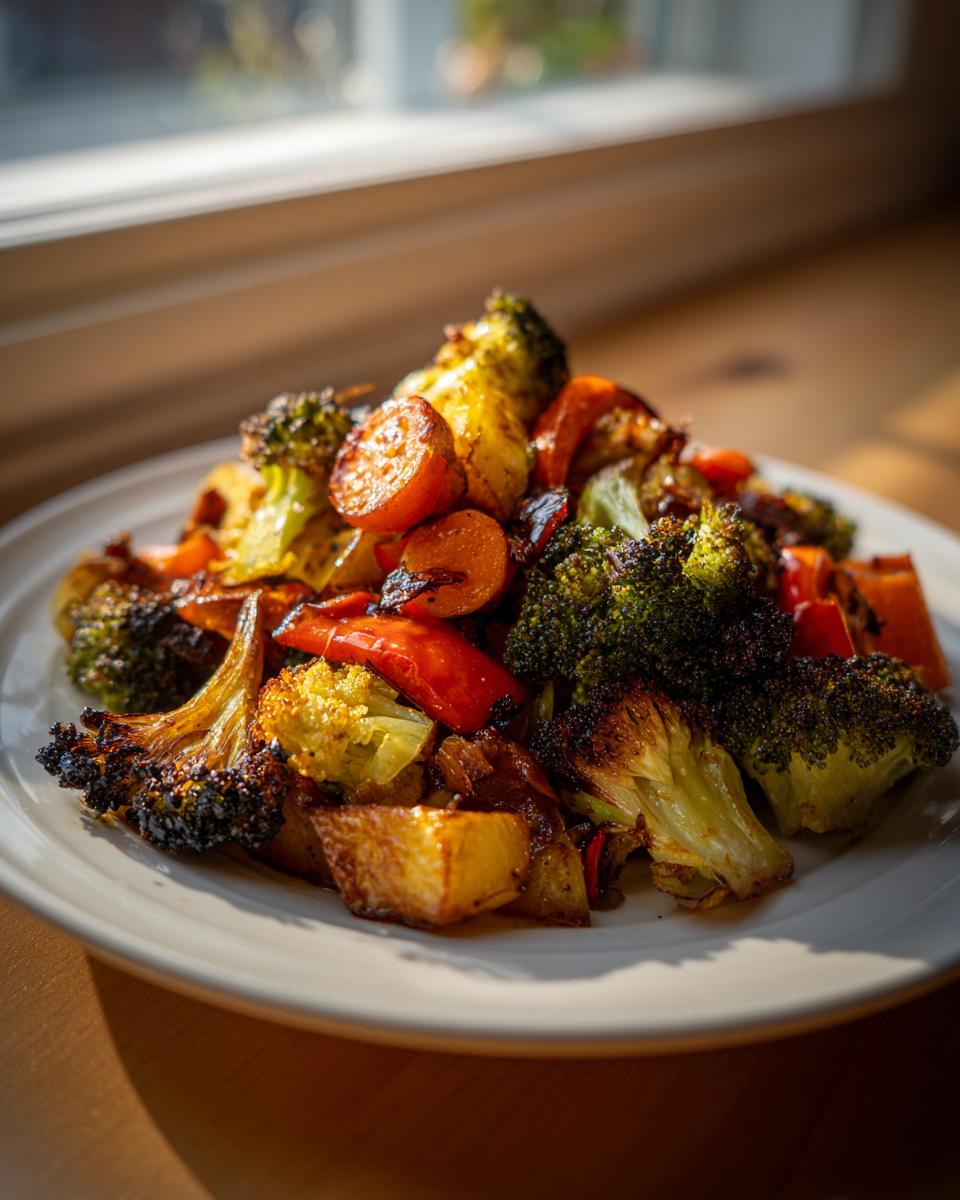
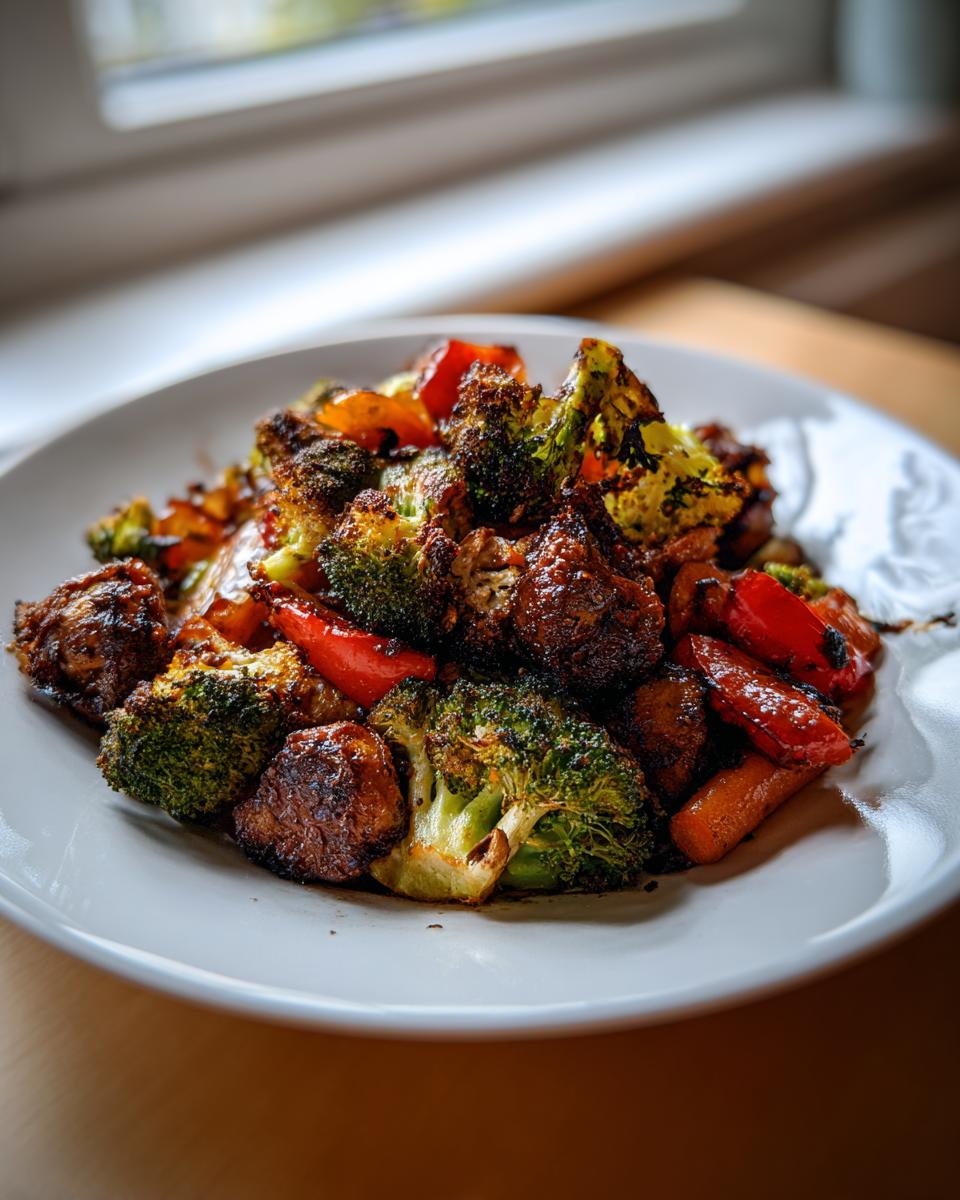
If you are chasing that perfect bite—crisp on the outside, soft inside—you have to treat moisture like it’s the enemy of your perfect batch. Remember those three vows we make before roasting? 1) Uniform cuts. 2) Hands down, they must be bone dry before oiling. 3) Single layer spacing on the sheet pan. That’s the trifecta that stops steam in its tracks and guarantees that gorgeous, slightly chewy texture you want from your caramelized roasted vegetables technique. Also, pro tip from me? Line that baking sheet with some parchment paper. It doesn’t affect the crisping, but I promise you, cleanup is practically non-existent, and who has extra time for scrubbing?
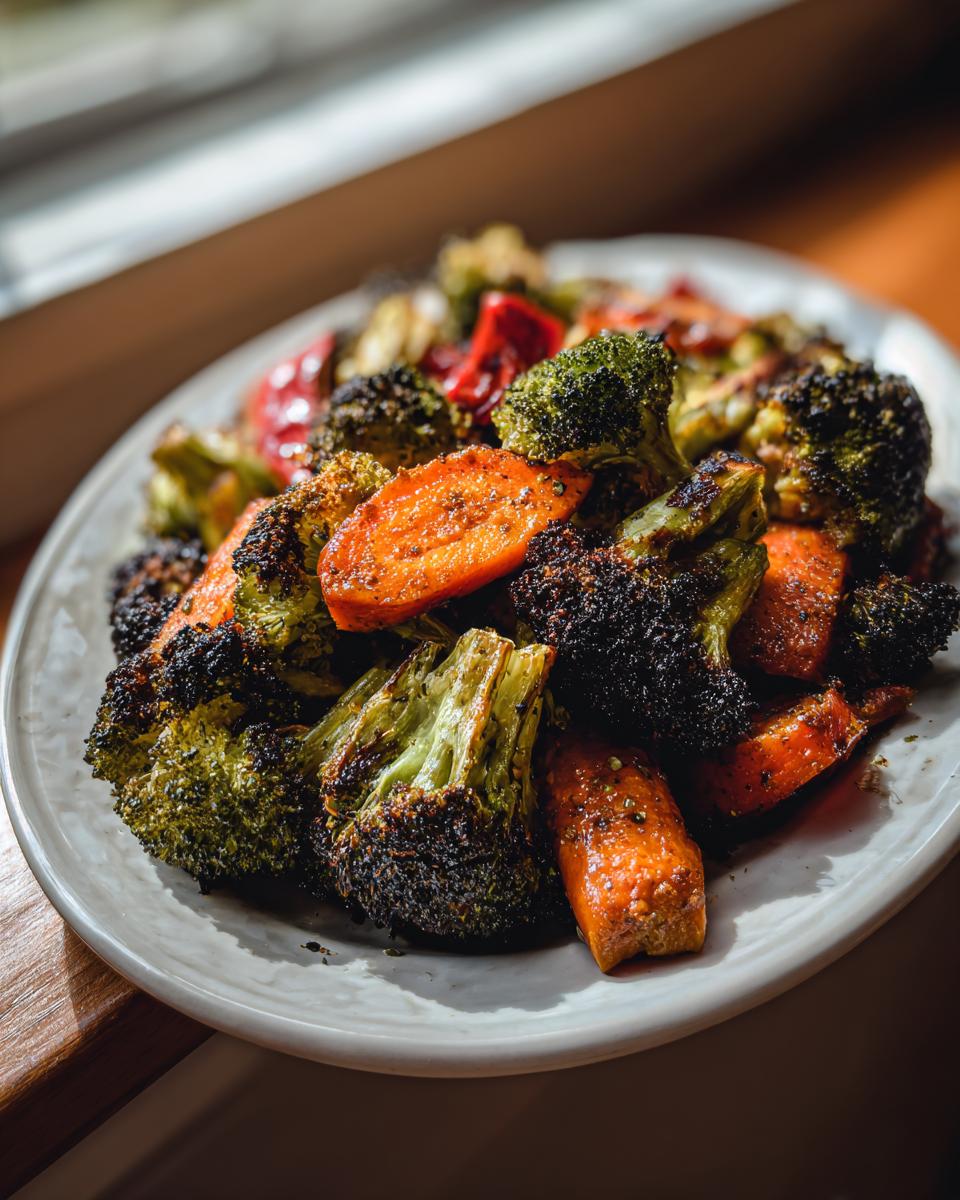
If you ever have questions during this process, please don’t hesitate to reach out to Kitchenican through our Contact Page—I’m happy to troubleshoot!
Best Seasoning for Roasted Vegetables: Flavor Variations
The secret sauce to making these amazing roasted vegetables an absolute favorite is realizing that the seasoning is where you get to play! In our main recipe, we stick to the classic, savory, earthy combination—garlic powder and oregano really bring out the sweetness in the veggies. It’s perfect for almost any meal you plan.
But maybe you need something a little bolder? Try punching things up with a quick Maple Dijon Glaze. This mix of sweet maple syrup and bright Dijon mustard gives you that sticky, slightly tangy coating we all love! If you go that route, remember we only drizzle it on during the absolute last five minutes of roasting. Any sooner and those sugars will burn before your veggies cook through. For more ideas on switching things up, check out this great resource on oven roasted vegetables!
Quick Garlic Roasted Vegetables Recipe Add-On
If you’re a huge fan of that sharp, pungent garlic kick, I highly recommend swapping out the boring garlic powder for fresh minced garlic sometimes! Yes, it takes an extra minute to chop, but wow, the flavor payoff is huge. If you use fresh garlic, though, do NOT toss it in at the beginning with the oil and dry seasoning. Fresh garlic burns way too fast at 425 degrees, turning bitter, and nobody wants that bitter snap in their otherwise perfect garlic roasted vegetables recipe.
My trick for the best results is to roast your vegetables for about 15 minutes first. Then, while your veggies are halfway done, quickly toss your minced garlic with just a tiny splash of olive oil on a separate tiny piece of foil. Pop that foil onto the baking sheet next to the vegetables for the remaining cook time. The garlic will roast perfectly without scorching, and you get that incredible roasted flavor infused throughout everything!
Vegetable Medley Roasting Guide: Timing and Selection
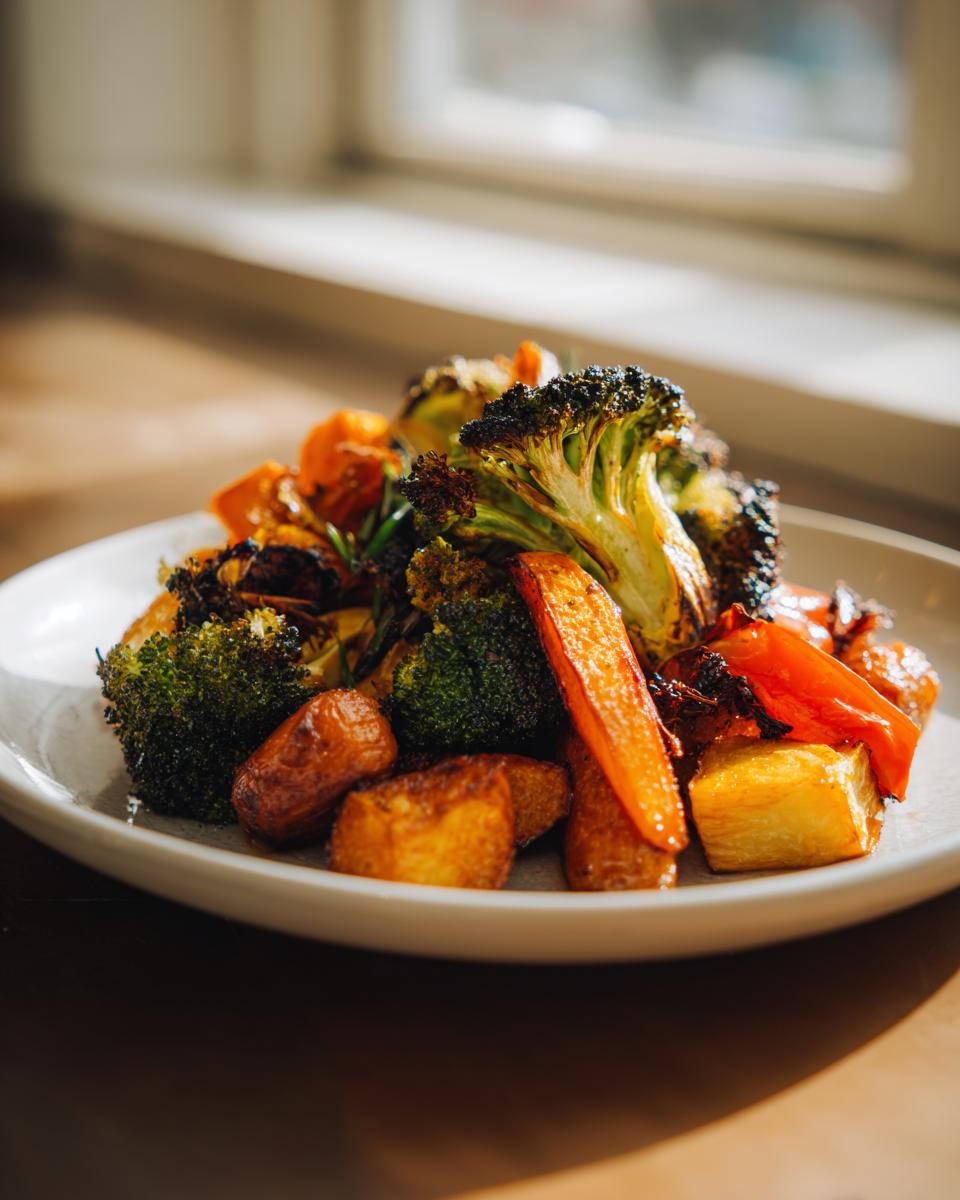
Pulling together a beautiful vegetable medley roasting guide can feel slightly complicated when you’re throwing in everything from zucchini to hearty sweet potatoes on one sheet pan. But honestly, it’s all about understanding density! You can absolutely mix and match your seasonal roasted vegetable ideas, but you have to be smart about the cutting size.
Think of it this way: Harder vegetables—like carrots, potatoes, or Brussels sprouts—take longer to break down and get tender inside. Softer veggies, like bell peppers, mushrooms, or zucchini, cook much faster and easily turn to mush if they hang out in the oven too long.
To make sure everything finishes at the same time, you must cut the root vegetables smaller than the softer ones. If you have big chunks of carrot next to thin slices of zucchini, the zucchini will be sad and soggy by the time the carrot gives way. Keep those hard guys bite-sized, let them go in first for about 5 to 7 minutes alone, and *then* throw in your quicker-cooking friends. It’s all about giving each vegetable exactly the time it needs!
Tips for Success with Oven Roasting Vegetables for Beginners
If you’ve ever felt nervous about trying this method because you’re new to oven roasting vegetables for beginners, don’t sweat it! I struggled plenty before I realized that the biggest difference between bland and brilliant is the equipment setup. Forget the fancy gadgets for now—we just need a little bit of real estate on that baking sheet for your roasted vegetables.
Here are my must-know tips to guarantee you get those crispy roasted vegetables tips working for you every time:
- Give them space! Seriously, if your vegetables are overlapping or crowded, they trap moisture and steam. If you have to use two baking sheets instead of cramming everything onto one, do it! They need space to breathe and brown.
- Keep the temperature high—425°F isn’t a suggestion; it’s the invitation for beautiful caramelization. Don’t be tempted to lower it when things start smelling good!
- If you need an easy cleanup win, this is where parchment paper really shines. For more amazing foundational advice on starting out, check out these tips on easy oven roasting.
Storage and Reheating Instructions for Roasted Vegetables
Now, this is important because we all make extra—these sides are just too good to waste! If you have leftovers of your delicious roasted vegetables, you need to treat them right so they don’t turn to sad soup the next day. Once they are completely cooled down, pop them into a properly sealed, airtight container. They’ll happily hang out in the fridge for about three to four days.
When it’s time to reheat, please, for the love of crispiness, avoid the microwave if you can! Microwaving just brings back that steaminess we worked so hard to banish. Instead, spread them out on a clean baking sheet and pop them back into a 350°F oven for about 10 minutes. If you have an air fryer, even better—a quick 3-minute blast at 375°F will crisp those edges right back up. This small step preserves all that beautiful caramelization!
Frequently Asked Questions About Roasted Vegetables
I know you have questions! Honestly, every time I teach a new cook this method, we end up chatting for ages about every little detail. That’s how we build genuine kitchen confidence, right? Here are some of the things I hear most often about getting truly fantastic roasted vegetables.
Why are my vegetables getting soggy instead of crispy?
This is the most common struggle for anyone trying to master a perfect roasted vegetables recipe! It almost always comes down to one of three things: overcrowding the pan, not drying the vegetables enough after washing (excess water turns to steam!), or using too low of an oven temperature. Remember, we need high, dry heat to encourage browning and crisping. If you follow the single-layer rule—giving every piece space to breathe—you should never have mushy veggies again!
Can I roast vegetables in the air fryer instead?
Absolutely! The air fryer is actually fantastic for this if you are just making a smaller batch for one or two people. It circulates that hot air super efficiently, which is great for getting those crispy roasted vegetables tips locked in fast. If you use an air fryer, make sure you only fill the basket about halfway, and you might need to shake the basket every 7–10 minutes. It speeds up the cooking time significantly, so keep an eye on them!
What is the absolute best oil to use for high-heat roasting?
When you are looking for the best oil for roasted vegetables, you need one with a high smoke point. Olive oil works fine for most people, but if you’re rocking that 425°F heat, I strongly recommend avocado oil. It’s super neutral in flavor and won’t break down or start smoking halfway through your cook time. Either way, just like we discussed in the recipe, don’t use too much—just enough to lightly coat everything!
Can I use frozen vegetables for roasting?
Listen, I teach simple vegetable roasting methods for real life, and sometimes frozen is all we have! However, I avoid it for this high-heat method if I can. Frozen vegetables are already partially cooked in water, so when you try to roast them, they release that water and steam immediately, guaranteed leading to soft, unappealing results. For roasting, always lean toward fresh produce. If you must use frozen, you’ll get a much better result boiling or steaming them first, and then maybe tossing them with oil and seasoning for a quick 5-minute broil just to brown the outside later. Check out our Privacy Policy for more site tips!
Serving Suggestions for Your Healthy Roasted Vegetable Side
Now that you’ve mastered the ultimate technique for roasted vegetables, the next fun part is figuring out what to do with them! Because this recipe is so flexible—tasting great whether you make the simple garlic herb version or the brighter Maple Dijon glaze—these are truly the most versatile side dish ideas you can keep in your rotation. Forget boring steamed sides; these are your new power players!
If you are looking for ways to make this a complete, healthy roasted vegetable side, try these pairings:
- Serve them right alongside a simple grilled chicken breast or piece of salmon. The flavors complement lean protein perfectly.
- Build a fantastic power bowl base! Toss the warm veggies over quinoa or brown rice, maybe add a sprinkle of feta or some toasted nuts, and you’ve got a hearty lunch ready to go.
- Stir a batch into some pasta—especially great with a light pesto or just a squeeze of fresh lemon juice tossed with the hot noodles.
- They make incredible toppings for hearty sandwiches or wraps the next day. Check out some other wonderful ideas for customization here: easy customization ideas.
There are so many ways to enjoy these delicious vegetable sides, and I want to see what you come up with! Whether you stick to the classic herbs or branch out, snap a picture of the perfectly caramelized edges and share your results with me when you post online! Remember to check our terms over at the Terms of Use page if you share your culinary wins!
PrintThe Ultimate Guide to Perfectly Seasoned Roasted Vegetables
This guide shows you the simple techniques to roast vegetables so they come out tender inside and caramelized outside every time. Learn the best seasoning methods for a delicious, healthy side dish.
- Prep Time: 15 min
- Cook Time: 30 min
- Total Time: 45 min
- Yield: 4 servings 1x
- Category: Side Dish
- Method: Oven Roasting
- Cuisine: American
- Diet: Vegan
Ingredients
- 2 lbs mixed seasonal vegetables (e.g., broccoli, carrots, bell peppers, zucchini), cut into uniform, bite-sized pieces
- 3 tablespoons olive oil
- 1 teaspoon kosher salt
- 1/2 teaspoon black pepper
- 1 teaspoon garlic powder
- 1/2 teaspoon dried oregano
- Optional: 1 tablespoon maple syrup for glaze
- Optional: 1 teaspoon Dijon mustard for glaze
Instructions
- Preheat your oven to 425 degrees Fahrenheit (220 degrees Celsius). High heat is key for caramelization.
- Prepare your vegetables: Wash and chop all vegetables into pieces of similar size. Uniformity helps them cook evenly.
- Dry the vegetables thoroughly using paper towels. Excess moisture causes steaming, leading to mushy vegetables. This step is crucial for crispy roasted vegetables.
- In a large bowl, toss the dried vegetables with the olive oil until lightly coated. Do not use too much oil.
- Sprinkle the salt, pepper, garlic powder, and oregano over the vegetables. Toss again until the seasoning is evenly distributed.
- Spread the seasoned vegetables onto a large, rimmed baking sheet in a single layer. Do not overcrowd the pan; use two sheets if necessary. Overcrowding traps steam and prevents crisping.
- Roast for 20 to 30 minutes. For the last 5 minutes, if using the glaze, whisk the maple syrup and Dijon mustard together and drizzle over the vegetables, tossing quickly before returning them to the oven to finish caramelizing.
- Flip the vegetables halfway through the cooking time to promote even browning.
- Remove from the oven when the edges are nicely browned and the vegetables are tender when pierced with a fork. Serve immediately as a versatile side dish idea.
Notes
- For the best results, ensure your baking sheet is large enough so the vegetables are not touching. This promotes dry heat circulation.
- If you prefer a stronger garlic flavor, use 2 cloves of fresh minced garlic instead of garlic powder, adding it during the last 10 minutes of roasting to prevent burning.
- Root vegetables like potatoes and carrots may need 5-10 minutes longer cooking time than softer vegetables like zucchini or peppers. Cut harder vegetables smaller.
- This simple vegetable roasting method works well with almost any seasonal vegetable medley.
Nutrition
- Serving Size: 1 serving (approx 1.5 cups)
- Calories: 150
- Sugar: 5
- Sodium: 450
- Fat: 9
- Saturated Fat: 1
- Unsaturated Fat: 8
- Trans Fat: 0
- Carbohydrates: 17
- Fiber: 4
- Protein: 3
- Cholesterol: 0