

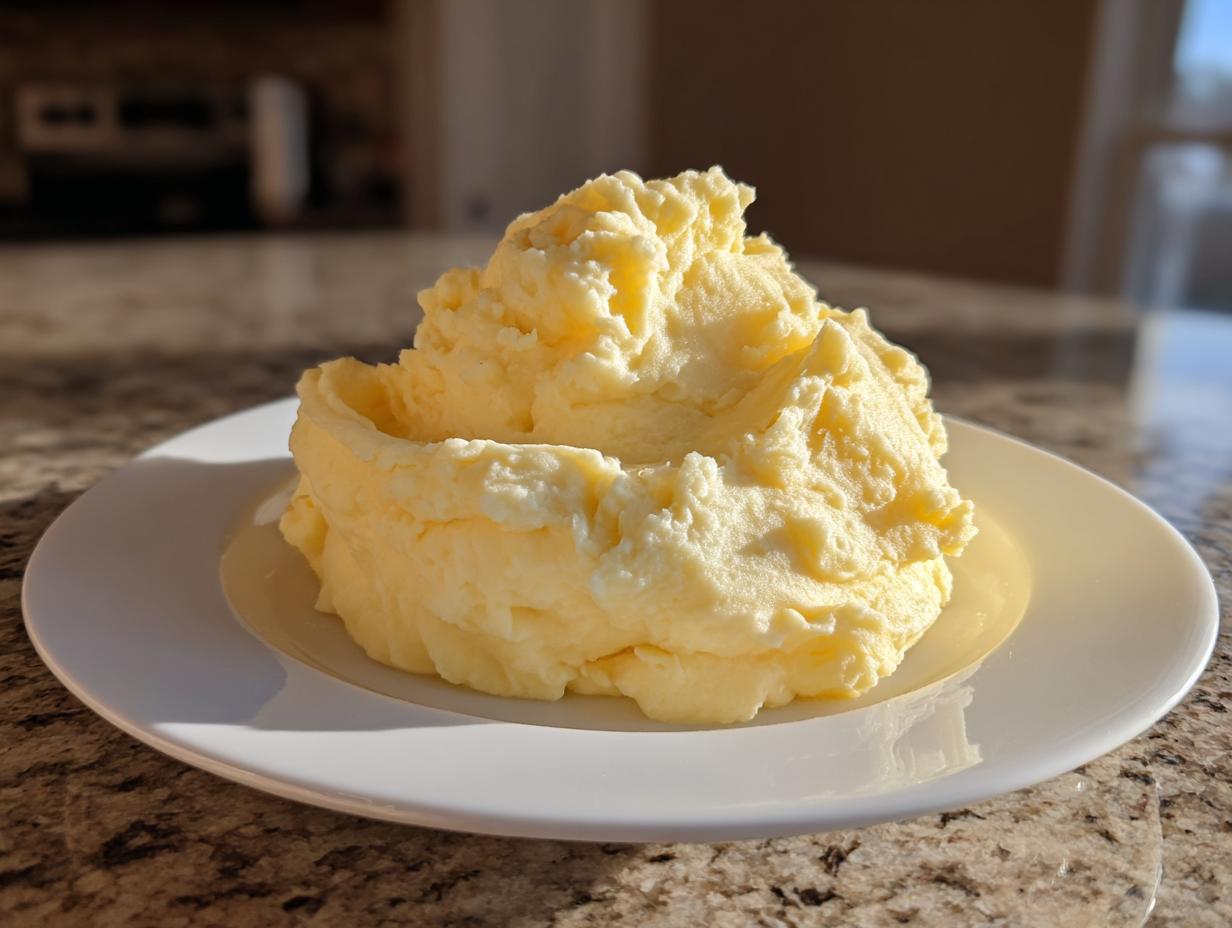
If there is one dish that instantly says ‘home’ and ‘comfort,’ it has to be potatoes, right? And let’s be honest, the standard for that comfort is incredibly high—we want mashed potatoes that are impossibly creamy and beautifully fluffy. I remember when I first started my journey here at Kitchenican; making perfectly smooth, buttery potatoes felt like a culinary magic trick I just couldn’t master. I used to think it required secret chef knowledge, but I was so wrong! That belief is exactly what we challenge here.
That’s actually where the heart of Kitchenican comes from. After a lot of practice, I finally cracked the code for achieving that ultra-creamy texture without any fancy equipment or hard-to-find ingredients. It’s all about technique, not complexity. I promise you, this recipe bridges the gap between wanting truly phenomenal side dishes and actually serving them on your table. You absolutely can do this, and I’m here to walk you through every simple, buttery step.
- Why This Is the Best Mashed Potatoes Recipe Ever
- Gathering Your Ingredients for Homemade Mashed Potatoes Easy
- Step-by-Step Instructions for Perfect Mashed Potatoes
- Tips for Success with Your Homemade Mashed Potatoes Easy
- Serving Suggestions for Your Fluffy Potato Side Dish
- Storage and Reheating Instructions for Leftover Mashed Potatoes
- Troubleshooting Common Mashed Potatoes Issues
- Frequently Asked Questions About Creamy Mashed Potatoes
- Nutritional Snapshot of This Buttery Potato Recipe
Why This Is the Best Mashed Potatoes Recipe Ever
I know, I know. Everyone claims they have the ‘best’ recipe, especially for holiday feasts, but ours really cuts through the noise because we focus relentlessly on texture. You won’t get sad, gluey potatoes here! This method is built around simple science to guarantee you get the unbelievably creamy mashed potatoes and that light, airy feel every time you serve them. We’ve all been there—staring at a bowl of lumpy sadness, but I found the path to velvety perfection, just like they teach in those foolproof guides.
The secret to great mashed potatoes isn’t just the butter—though we use plenty! It’s how we treat the potato post-boil. Check out the three core guarantees that make this recipe stand out:
- The heating of the dairy ensures temperature shock never ruins the mash.
- We stress the importance of draining every bit of steam away before mashing.
- We choose potatoes specifically for high starch content.
Achieving Ultra-Creamy Mashed Potatoes Texture
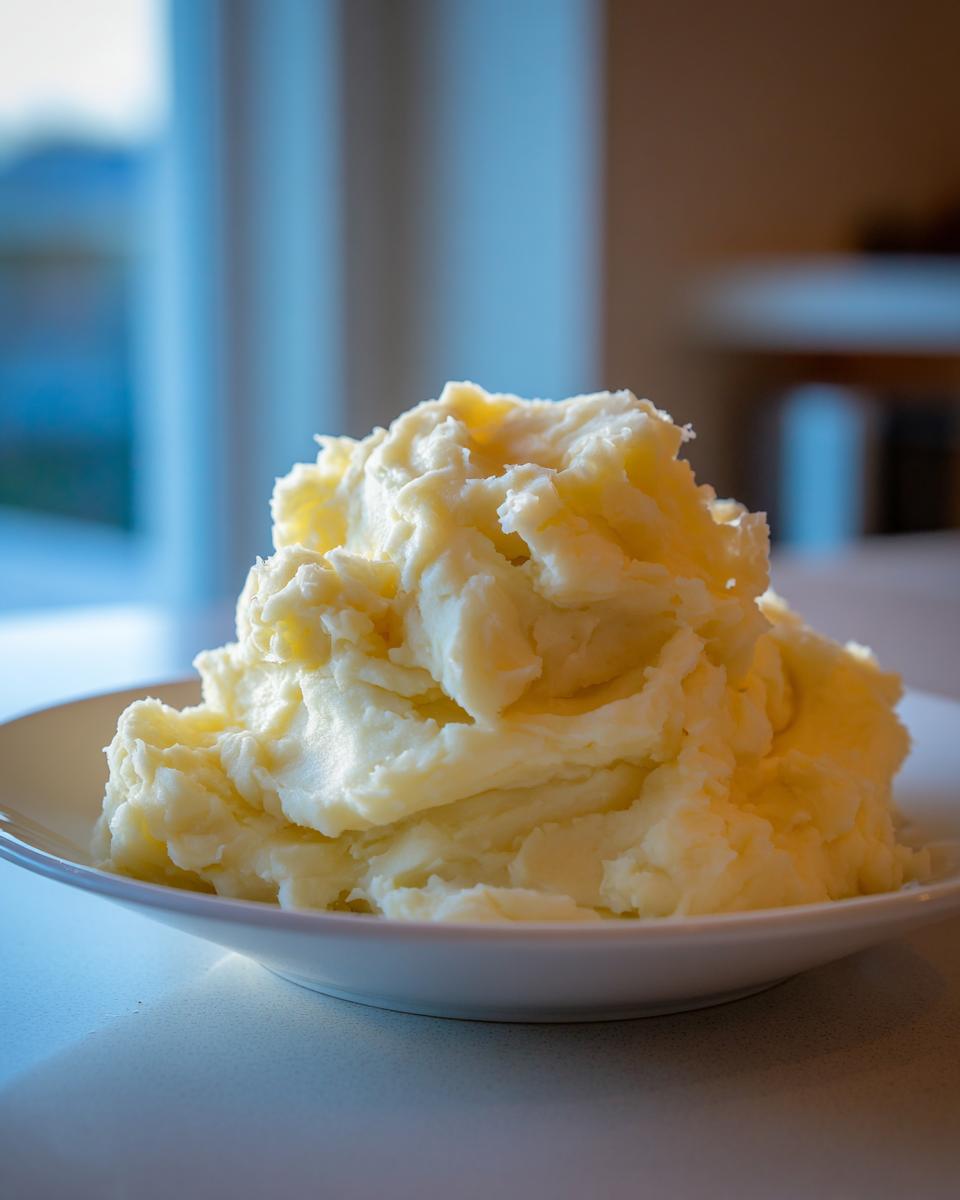
The absolute biggest mistake people make is overworking the starch once they start mixing. When you beat potatoes relentlessly, they turn gummy—nobody wants that! We mash them just enough initially, and then slowly incorporate the warm liquids. This gradual addition and gentle mixing is the key to unlocking that smooth, luscious texture. Stick to this and you’ll have the most gorgeous creamy mashed potatoes you’ve ever made.
Potato Choice for Fluffy Potato Side Dish Results
I always advise readers to pick starchy potatoes, like Russets, if fluffiness is your main goal. Russets break down beautifully and absorb all that rich butter without feeling heavy. If you prefer something naturally buttery and slightly denser, Yukon Golds are your best friend. Knowing your potato is step one for a perfect fluffy potato side dish!
Gathering Your Ingredients for Homemade Mashed Potatoes Easy
Alright, let’s talk ingredients! If you want the absolute best flavor and texture in your mashed potatoes, we can’t skimp on the quality here. You need simple things, but we treat them with respect. Don’t worry, these are all everyday items for making homemade mashed potatoes easy—no specialty trips needed! The key things to remember right upfront are using whole milk and unsalted butter. Why? Whole milk has the fat content needed for that signature deep creaminess, and unsalted butter lets me control **exactly** how much salt goes into the final dish. It’s all about control, trust me!
Here is what you’ll need for about six generous servings. Grab a pen, because we’re about to nail this:
- 3 pounds Russet or Yukon Gold potatoes, peeled and quartered
- 1 cup whole milk
- 8 tablespoons unsalted butter, cut into pieces
- 1 teaspoon salt, plus more for boiling water
- 1/2 teaspoon black pepper
- 1/4 cup sour cream or heavy cream (optional, for extra richness)
Ingredient Notes and Substitutions
That optional sour cream or heavy cream is really my secret weapon for that restaurant-quality richness, so I highly recommend it if you’re making these for a special occasion or a super buttery dinner. If you’re out of whole milk, don’t panic! You can swap it for half-and-half, which will actually boost the creaminess even more. Just avoid low-fat milk entirely; we need that fat content to coat the starch perfectly and keep those lumps away. This little bit of planning ensures your final mash is spectacular.
Step-by-Step Instructions for Perfect Mashed Potatoes
Now for the fun part! This is where we put all that preparation to work. Making amazing mashed potatoes isn’t just about dumping things in a pot; it’s about sequencing. If you follow these steps precisely, especially around temperature control, you are going to get those light, fluffy results we talked about. You don’t need any fancy gadgets for the main mash, just focus on the timing, and maybe check out my guide on twice-baked potatoes if you’re feeling potato-inclined later!
Preparing the Potatoes: Boiling for Smoothness
First, place those peeled and quartered potatoes into your big pot. Here’s a huge tip: always start your potatoes in *cold* water! If you drop them into already boiling water, the outside cooks too fast while the inside stays hard, leading to uneven texture later. Cover them by about an inch, and don’t forget to salt that water generously—think of it as seasoning the potato from the inside out. You want a steady simmer until they are completely fork-tender. That means a fork slides in with zero resistance, okay?
Warming the Dairy for Buttery Potato Recipe Success
While the potatoes are simmering away, never throw cold milk straight into hot potatoes! That shocks them and cools everything down too fast, affecting the texture. In a small saucepan, gently warm your milk and those beautiful chunks of butter over super low heat until the butter is just melted. Don’t let it simmer or boil! We just want it warm and cozy. This simple trick keeps your entire batch of buttery potato recipe nice and hot so you can mix without losing precious heat.
The Mashing Technique to Avoid Gluey Mashed Potatoes
Once your potatoes are drained—and make sure you let that steam escape for a few minutes!—return them to the warm pot. Now, mash them thoroughly with a hand masher until you don’t see any huge chunks left. This is your rough mash phase. Next, take that warm butter-milk mixture and pour it in gradually, maybe a quarter cup at a time. You need to continue mashing or gently stirring as you pour. Stop mixing the *second* everything looks combined and fluffy. Overmixing is the fastest route to gluey, sticky potatoes. We are aiming for smooth, not elastic!
Tips for Success with Your Homemade Mashed Potatoes Easy
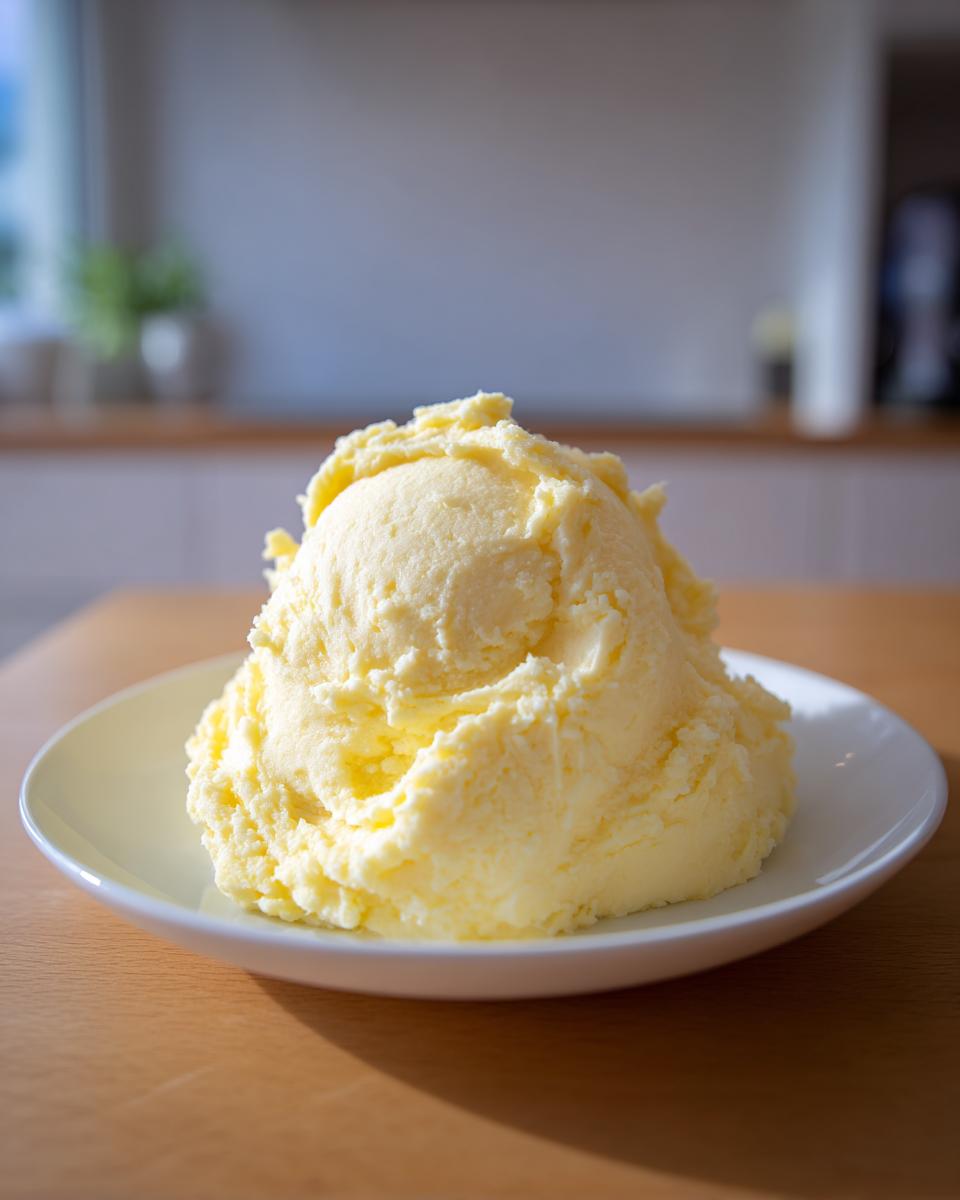
Listen, achieving great homemade mashed potatoes easy really just comes down to a few confidence-boosting tricks I learned the hard way. You’ve nailed the cooking and mixing parts, but here are my absolute favorite pro-tips to take these from great to ‘Oh my gosh, what did you put in these?’ These little adjustments guarantee you get that light, airy fluffiness that everyone loves, especially when they are piled high next to roast chicken or drizzled with gravy.
If you want the absolute fluffiest results possible, forget the standard masher for the final stage if you have one. I highly recommend looking into a potato ricer or a food mill. Yes, it’s another gadget, but honestly, running the potatoes through one of those after the initial mash is total game-changer. It breaks them down perfectly without breaking the starch, which is crucial! Also, just remember this little tidbit I found from some great cooks; the secret is in the method, not just the ingredients. Whether you use Yukon Golds or Russets, the technique is what matters most.
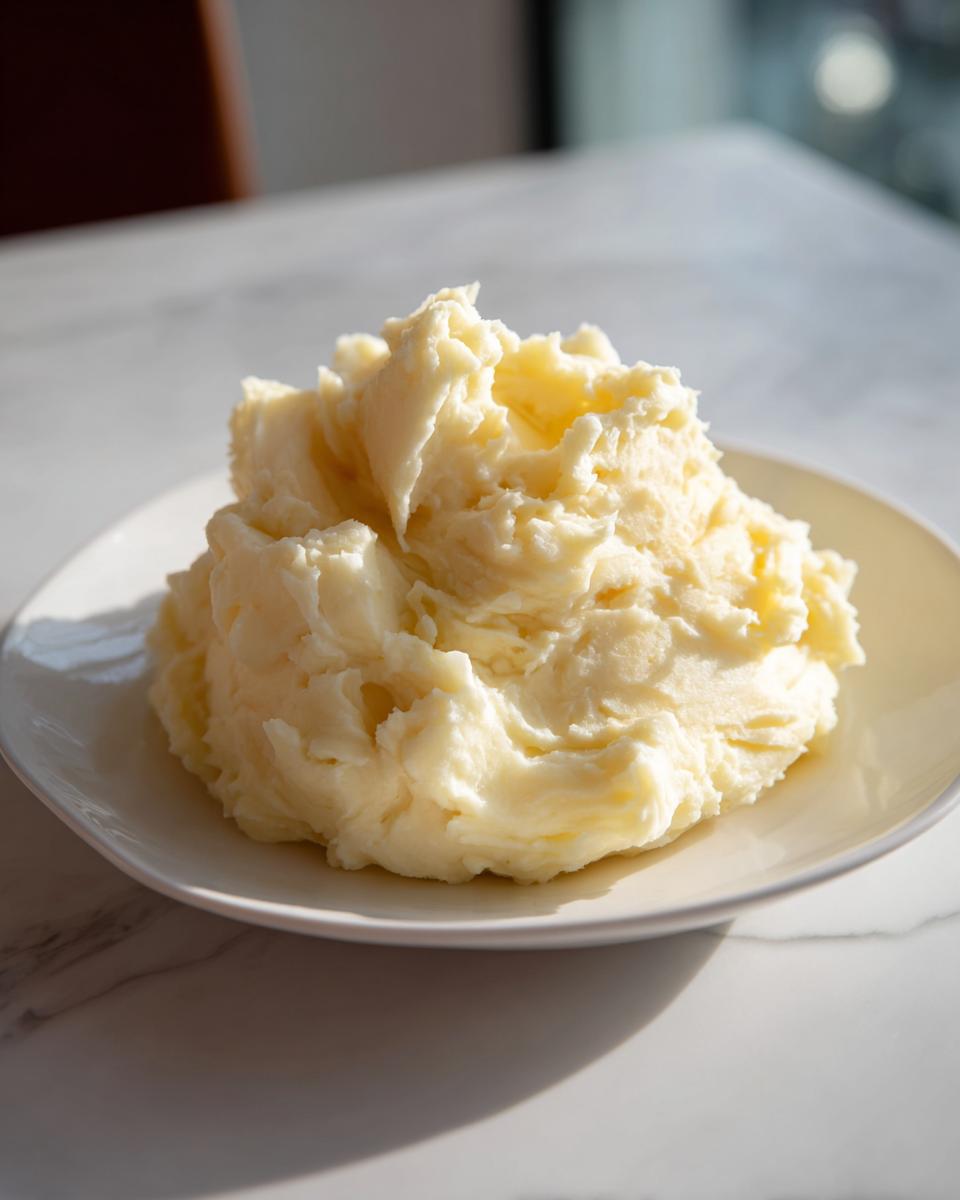
If you happen to have leftovers (which is rare in my house!), these recreate beautifully. You can find my favorite way to repurpose any leftovers into crispy cakes right over here. Mastering these simple techniques is what makes cooking feel empowering, and I’m so proud you’re learning them!
Serving Suggestions for Your Fluffy Potato Side Dish
Okay, so you’ve just whipped up the most incredible plate of cloud-like, mashed potatoes. What do we serve them with? This is where they truly shine as the ultimate comfort food side dish! Honestly, these are so rich and buttery that they demand something equally hearty next to them. They are absolutely mandatory for any proper holiday spread, whether it’s Easter or Thanksgiving—these are the holiday side dish potatoes everyone talks about for weeks afterward.
My favorite thing to pair them with is a slow-cooked roast. Seriously, imagine these fluffy mounds soaking up the rich juices from a tender pot roast—I have the recipe for an amazing pot roast if you need inspiration! They are also fantastic underneath something smothered, like Salisbury steak, because they catch every last drop of that delicious, savory gravy. If you’re making my Salisbury steak recipe, make sure you double the potato batch, I’m not kidding!
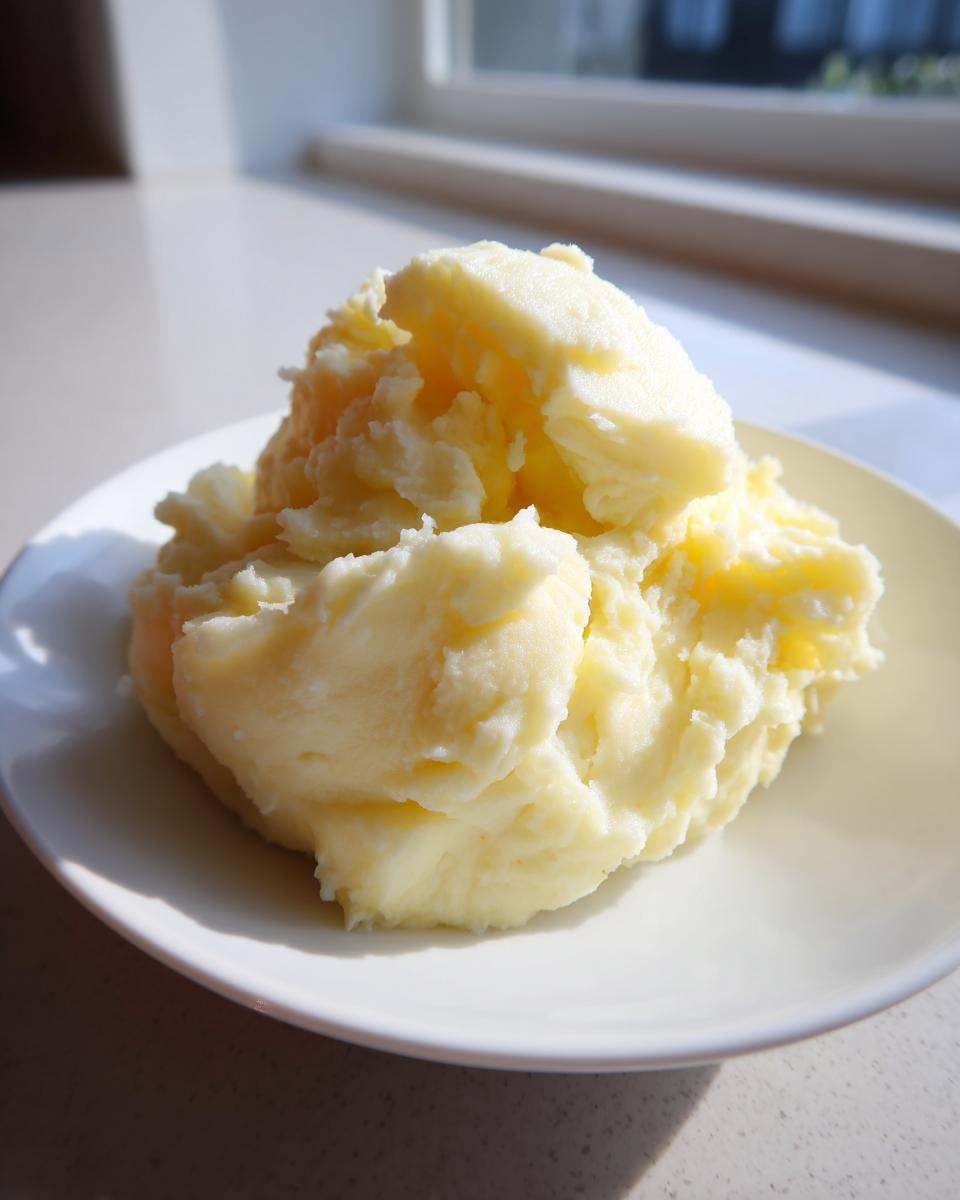
But really, the best part of this fluffy potato side dish is that they are versatile. They are the perfect base for dipping, topping, or just eating straight with a spoon when nobody is looking. Enjoy every buttery bite!
Storage and Reheating Instructions for Leftover Mashed Potatoes
So, you somehow managed to have leftovers? Wow, usually, mine disappear before they even hit the fridge! But if you do find yourself with extra, storing them properly is key so they taste just as good the next day. You can safely refrigerate your lovely potato side dish for up to three or four days. Just store them in an airtight container. Don’t leave them sitting out too long at room temperature; we want to keep them safe, especially with all that butter we lovingly folded in!
When it comes time for reheating, forget the microwave if you can—it has a nasty habit of turning creamy potatoes stiff or slightly rubbery. The very best method, the one I swear by for bringing back that original texture, is on the stovetop. Gently warm up a splash of extra milk or cream in a heavy-bottomed pot, and then fold the cold potatoes in over low heat. Stir them slowly until they are heated all the way through and have returned to that soft, loose consistency. You might need to add an extra little knob of butter while you’re stirring, which is never a bad thing, right? This gentle reheating process ensures you keep that melt-in-your-mouth experience going strong.
Troubleshooting Common Mashed Potatoes Issues
Even masterpieces have hiccups sometimes, right? I’ve been there. You follow the recipe perfectly, you have the right potatoes, but somehow the final bowl of mashed potatoes isn’t quite what you dreamed of. Don’t panic! Almost every problem in the potato world is totally fixable, and usually, it comes down to one or two small steps we forgot to emphasize. Trust me, understanding the pitfalls means you’ll never have to stress over a lumpy Thanksgiving side dish again.
These are the two most frequent issues I hear about, and they are the easiest ones to solve once you know the fix:
The Lumpy Potato Dilemma
If you’re left with chunks, don’t feel bad—that just means you stopped mashing too early, or your potatoes weren’t quite cooked through enough. If you tried mashing by hand and it’s still chunky, your best bet is to switch tools immediately. If you own one, breaking out a potato ricer is like instant magic; it creates perfectly uniform potatoes. If you don’t have one, just keep at it with your standard masher for another minute or two before you add the liquid. Introducing warm milk to chunky potatoes almost guarantees lumps because the creamy parts get mixed while the hard bits stay separate.
The Watery Potato Problem
This one is frustrating because it makes your entire batch taste watered-down, even if you’ve added all the butter! This happens when you don’t allow enough steam to escape after draining. Potatoes are mostly water, and that steam is trapped inside as they boil. If you dump them straight into the pot and add the dairy, that trapped moisture releases and dilutes your beautiful richness. That critical 2 to 3 minutes where the drained potatoes just sit in the colander, letting off steam, is non-negotiable. It lets the starch dry out just enough so it can properly absorb the fats and liquids we add later. If you want that rich, savory flavor you get from extra goodness like homemade garlic butter, you need to dry those spuds out first!
Frequently Asked Questions About Creamy Mashed Potatoes
I wanted to wrap things up by tackling some of the common questions I see pop up all the time. It shows me you’re really focusing on making sure your mashed potatoes turn out perfectly creamy every single time. Honestly, mastering this simple potato recipe takes just a little bit of specialized knowledge, which I’m happy to share!
Can I use a hand mixer when making mashed potatoes?
Oh, please, trust me on this one: absolutely do not use a hand mixer or a strong electric mixer! I know it seems like a quick shortcut, but that’s the fastest way to turn your beautiful potatoes into gluey wallpaper paste. Mixers whip way too much air into the mash and they violently break down the starch molecules in the potato. That releases too much free starch, and before you know it, you don’t have a fluffy side dish; you have something dense and sticky. Stick to a hand masher or a ricer for the best results.
Can I prepare the potatoes ahead of time for Thanksgiving mashed potatoes?
Yes, you totally can prep ahead, which is a lifesaver when you’re juggling a huge meal like Thanksgiving mashed potatoes! The best way to do this is to complete step four: boil your potatoes until tender and drain them completely. Let them steam dry, then let them cool. You can refrigerate them in an airtight container overnight. When you are ready to serve, gently warm up your milk and butter mixture separately, and then fold the cold, cooked potatoes into that warm dairy on the stovetop over low heat. This keeps them feeling fresh and prevents them from getting watery!
What is the difference between Russet and Yukon Gold potatoes for mashing?
This choice really defines your final texture! If you want that truly light, almost whipped, airy feel—the one that falls apart nicely—go with Russets. They are high in starch. If you want something naturally creamier, silkier, and a little richer on its own, Yukon Golds are the way to go. Both make exceptional homemade mashed potatoes easy, but they give you slightly different textures based on their starch and moisture levels.
How do I make sure my mashed potatoes stay hot until serving time?
If you aren’t ready to serve right away, don’t let them sit on the counter! The best trick is to transfer your finished, seasoned potatoes to a heat-safe bowl, cover it tightly with plastic wrap—press the wrap right down onto the surface of the potatoes if you can to prevent a skin from forming—and set that bowl into a larger pan filled with an inch or two of hot water on very low heat. It acts like a mini double boiler and keeps them perfectly warm and ready to go without drying them out.
Nutritional Snapshot of This Buttery Potato Recipe
I always feel a little better when I know, roughly, what I’m serving up! These estimates are based on using the full recipe with the optional sour cream included, of course. Remember, this is primarily a guide; your portion size and exact ingredient brands will change the final numbers, but this gives you a great baseline for this rich, buttery potato recipe.
- Serving Size: 1 serving
- Calories: Approximately 280
- Fat: 16g
- Carbohydrates: 32g
- Protein: 5g
It shows a good mix of energy and satisfying fiber. Go ahead and enjoy that extra big scoop!
PrintThe Best Ultra-Creamy and Fluffy Mashed Potatoes Recipe
You can make truly creamy, buttery, and fluffy mashed potatoes at home. This recipe uses simple steps to give you smooth potatoes perfect for any dinner or holiday gathering.
- Prep Time: 15 min
- Cook Time: 25 min
- Total Time: 40 min
- Yield: 6 servings 1x
- Category: Side Dish
- Method: Boiling and Mashing
- Cuisine: American
- Diet: Vegetarian
Ingredients
- 3 pounds Russet or Yukon Gold potatoes, peeled and quartered
- 1 cup whole milk
- 8 tablespoons unsalted butter, cut into pieces
- 1 teaspoon salt, plus more for boiling water
- 1/2 teaspoon black pepper
- 1/4 cup sour cream or heavy cream (optional, for extra richness)
Instructions
- Place the peeled and quartered potatoes in a large pot. Cover the potatoes with cold water by about one inch. Add 1 tablespoon of salt to the water.
- Bring the water to a boil over high heat. Reduce heat to maintain a steady simmer and cook until the potatoes are fork-tender, about 15 to 20 minutes.
- While the potatoes cook, gently warm the milk and butter together in a small saucepan over low heat until the butter is melted. Do not boil the mixture.
- Drain the cooked potatoes completely in a colander. Let them sit for 2 to 3 minutes to allow excess steam to escape. This step helps prevent watery mashed potatoes.
- Return the drained potatoes to the warm, empty pot. Mash the potatoes thoroughly using a potato masher until mostly smooth.
- Gradually pour the warm milk and butter mixture into the potatoes while continuing to mash or gently stir until you reach your desired consistency. Avoid overmixing, which can make the potatoes gluey.
- Stir in the 1 teaspoon of salt, pepper, and the optional sour cream or heavy cream until just combined.
- Taste the potatoes and adjust salt and pepper as needed before serving immediately.
Notes
- For the fluffiest texture, use a potato ricer or food mill instead of a standard masher after the initial rough mash.
- Using starchy potatoes like Russets gives you a fluffier result, while Yukon Golds yield a naturally buttery and slightly creamier texture.
- Warming the dairy ingredients prevents the potatoes from cooling down too quickly during mixing.
Nutrition
- Serving Size: 1 serving
- Calories: 280
- Sugar: 3
- Sodium: 350
- Fat: 16
- Saturated Fat: 10
- Unsaturated Fat: 6
- Trans Fat: 0
- Carbohydrates: 32
- Fiber: 3
- Protein: 5
- Cholesterol: 40