

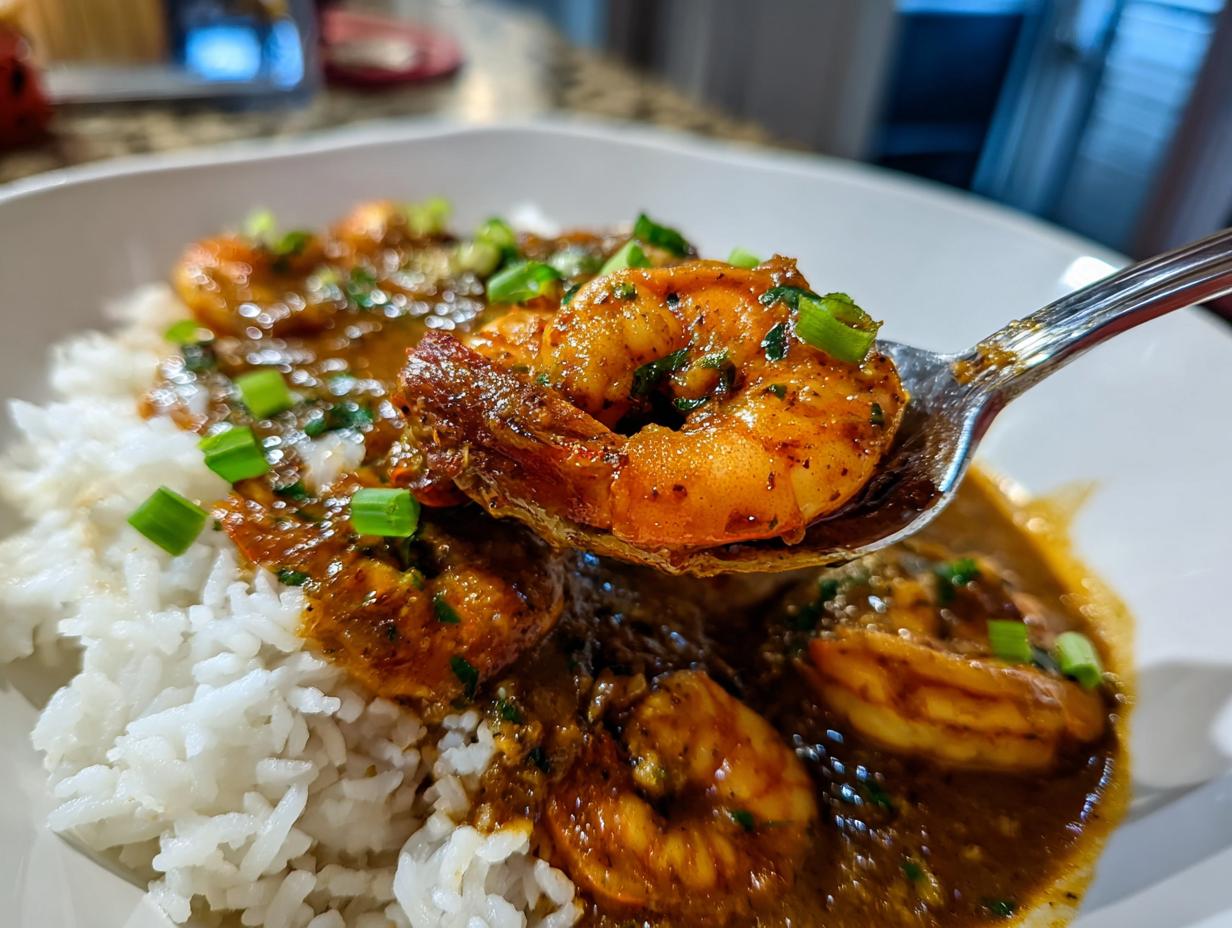
There’s just something about Louisiana cooking that wraps you up like a warm blanket, isn’t there? When I first tackled the legendary shrimp etouffee, I thought I needed years of experience just to get the color right. Seriously, who wants takeout when they can have the real magic of New Orleans comfort food at home? That’s why I built Kitchenican—to prove that expertise isn’t about being fussy; it’s about mastering one or two core techniques. This recipe is all about empowerment. We’re going to conquer the dark roux together, and once you see that rich, savory base bloom, you’ll realize making truly authentic, deeply flavorful étouffée is completely within your reach. If you want to know more about our mission to bridge that gap between inspiration and accomplishment, you can always check out our story here. Trust me, you absolutely can do this.
- Why This Authentic Cajun Shrimp Etouffee Recipe Works for You
- Ingredients for Your Classic Etouffee Recipe
- Mastering the Rich Roux Based Sauce for Shrimp Etouffee
- How to Prepare Authentic Louisiana Cooking Shrimp Etouffee
- Ingredient Notes and Substitutions for Your Spicy Shrimp Dinner
- Serving Suggestions for Seafood Smothered Over Rice
- Storage and Reheating Instructions for Leftover Shrimp Etouffee
- Frequently Asked Questions About This Shrimp Etouffee
- Nutritional Data Estimate for This Homemade Cajun Favorite
Why This Authentic Cajun Shrimp Etouffee Recipe Works for You
I know what you’re thinking: “Is this going to take four hours and require ingredients I can’t pronounce?” Nope! This recipe is designed for your real life. We break down the scary parts so you get that incredible Louisiana depth without the fuss. It’s all about hitting those flavor notes you crave.
- It tastes like your favorite New Orleans spot—we nail the authenticity.
- It simplifies the hardest part—that beautiful, dark roux base.
- It’s accessible, using pantry staples you likely already have on hand. Check out more easy weeknight dinners inspiration, too!
Achieving Restaurant Quality Shrimp Etouffee at Home
Forget the takeout line! The secret to that award-winning taste, the kind that makes you close your eyes? It’s not a fancy seasoning blend; it’s the color of that roux. Get that dark, nutty base right, and you instantly have a show-stopping, flavorful shrimp gravy that rivals any big-city restaurant. It’s easier than you think, I promise!
Quick Shrimp Meals Ready in About an Hour
Even though we take time for the roux, the total time is usually about an hour from start to finish. That means you can still get this incredible, comforting meal on the table on a Tuesday night! These genuinely are some of the best quick shrimp meals I’ve ever developed.
Ingredients for Your Classic Etouffee Recipe
Alright, let’s talk shopping. You don’t need a specialty store for this! Everything here is pretty standard, but the quality definitely shows through, especially with the main star. Make sure you’re grabbing good, plump shrimp—they hold up so much better when they’re smothered in that rich sauce. I usually look for raw, peeled, and deveined because, honestly, who has time for that prep work after stirring a dark roux?
Here is exactly what you need for four generous bowls of this Southern classic:
- 1/2 cup all-purpose flour
- 1/2 cup vegetable oil
- 2 cups chopped yellow onion
- 1 cup chopped celery
- 1 cup chopped green bell pepper
- 3 cloves garlic, minced
- 1 pound raw shrimp, peeled and deveined
- 4 cups seafood or chicken stock
- 1 (14.5 ounce) can diced tomatoes, undrained
- 1 teaspoon dried thyme
- 1 teaspoon smoked paprika
- 1/2 teaspoon cayenne pepper (adjust for heat!)
- 1 bay leaf
- Salt and black pepper to taste
- 1/4 cup chopped green onions, for garnish
- Cooked white rice, for serving
When you’re picking out your shrimp, remember, we are adding them right at the end for these quick shrimp recipes, so you want them to be tender when they finish cooking. Don’t settle for anything less than fresh-tasting!
Mastering the Rich Roux Based Sauce for Shrimp Etouffee
Okay, deep breath. This is the moment that separates the *okay* stew from the *truly authentic* shrimp etouffee. We are making a dark roux, and let me tell you, it takes patience, but the flavor payoff is massive. You combine the flour and oil in a heavy pot exactly as the recipe says, and you stir. Constantly. I mean it. Keep that spoon moving!
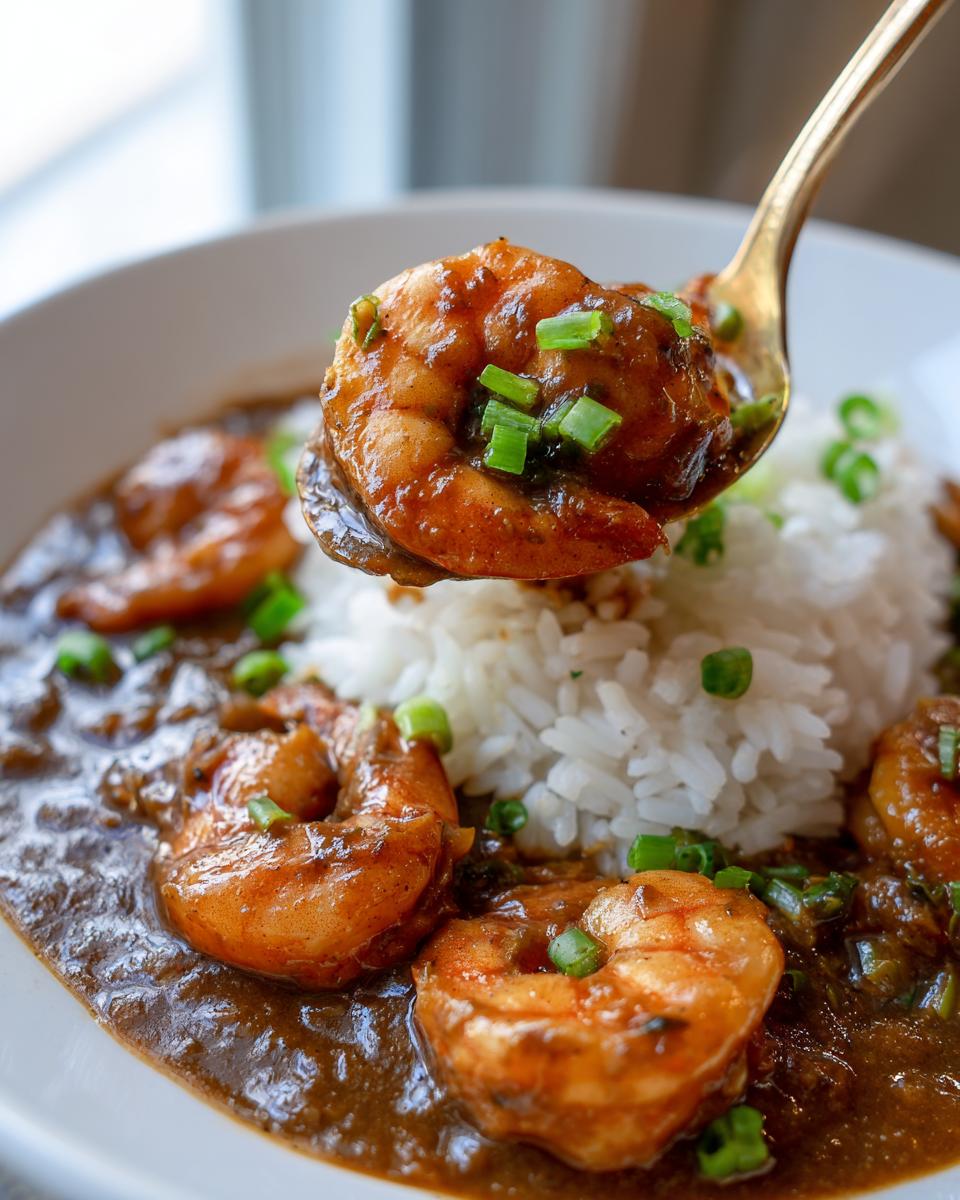
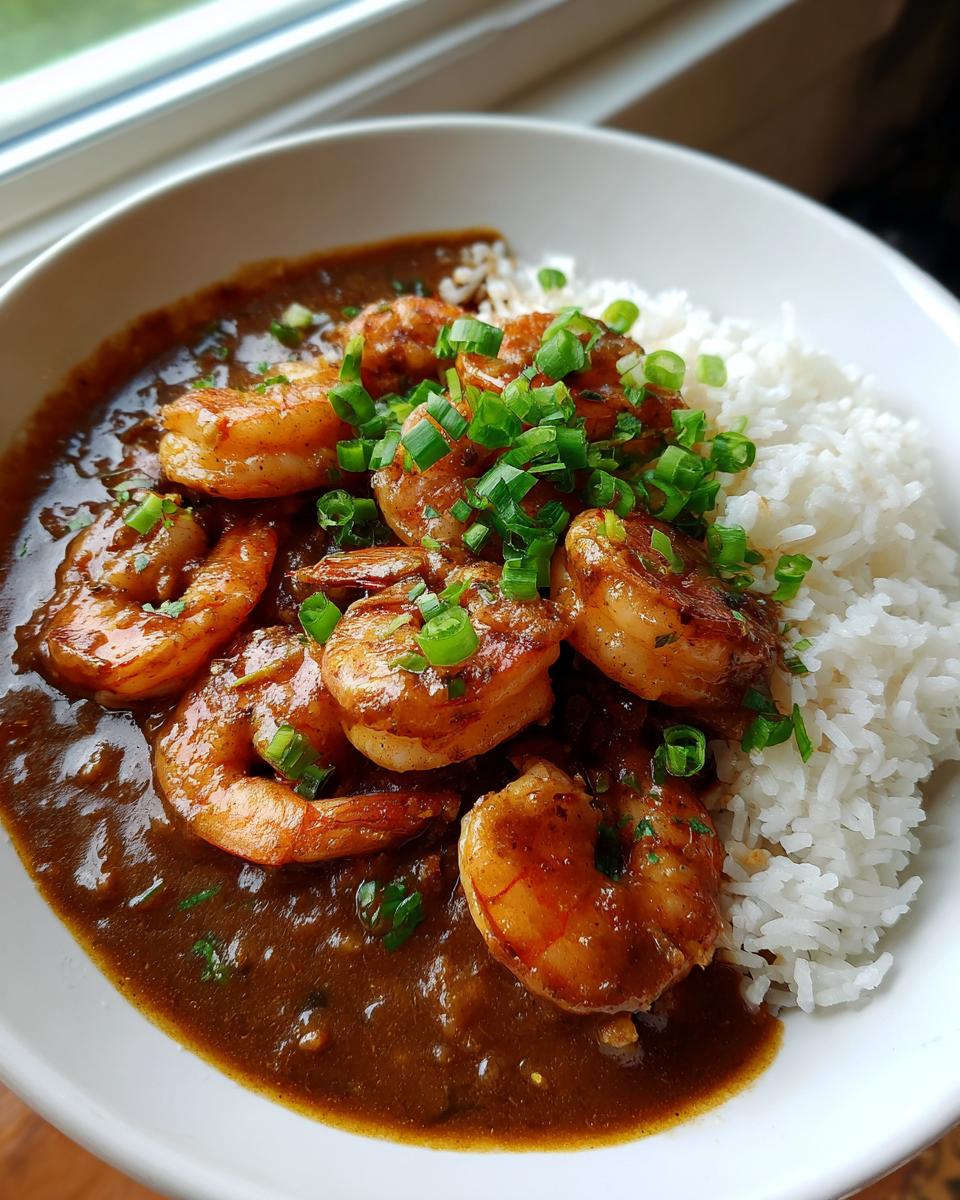
When I first tried this, I rushed it, and I ended up with a scorched, smoky mess—don’t repeat my mistake! But the second time, I just rocked out to some music and kept stirring over medium heat until it turned this glorious, deep color, like melted milk chocolate. That moment, when you see that dark, glossy color and realize you actually did it? It’s the biggest confidence boost for any home cook. That dark roux is the heart of this amazing rich roux based sauce; it gives you that deep, nutty, savory Louisiana background flavor you can’t get any other way.
Tips for Preventing Your Roux From Burning
The heat management is crucial here. I start on medium heat, but trust me, as the roux gets darker, you need to pull that heat back down to medium-low, sometimes even just low. When it’s light tan, medium is fine. When it hits that deep brown stage, you need to babysit it intensely. Continuous stirring ensures every speck of flour browns evenly and don’t seize up against the bottom of the pot. If you smell anything remotely burnt, take the pot off the heat immediately, keep stirring, and let it cool down before putting it back on low. That constant motion is your insurance policy against failure!
How to Prepare Authentic Louisiana Cooking Shrimp Etouffee
Now that you’ve conquered the dark art of the roux—congratulations, you’ve done the hardest part!—it’s time to layer in all those incredible aromatics that make this a true Authentic Louisiana Cooking experience. You’ll turn that rich base into a beautiful sauce. Keep your heat manageable, especially once the roux is that gorgeous dark brown color, because we definitely don’t want to rush things now. Remember that rich sauce we are building? It’s almost like a gravy, and if you love making sauces from scratch, you should check out my guide on homemade brown gravy without drippings for more comfort food tips!
Sautéing the Holy Trinity and Building Flavor
Once your roux has settled, you need to add the Holy Trinity: the onion, celery, and bell pepper. I let those cook down, stirring gently, for about eight minutes until they start getting soft and sweet. This step is essential for building depth in any good stew or gumbo. When you see that soft base for your Creole Dinner Ideas, you know you’re on the right track. After those veggies soften up, toss in your garlic and cook it for just one more minute until you can smell it—that’s your cue that the base is ready for liquid.
Simmering Time and Adding the Shrimp
This is where the magic thickens! When you start whisking in your stock slowly, make sure you’re whisking until that roux totally disappears into the liquid. Add your spices, tomatoes, and that bay leaf. Bring everything to a gentle simmer, cover it just a little, and let it hang out for a full 20 minutes. That simmering time is what lets the flavors really meld into a spectacular, complex sauce. Be warned: shrimp are delicate little things! We only add them when this simmering is done. Cook them for just 5 to 7 minutes until they turn pink and curl up slightly. Once they are finished, pull that bay leaf out instantly so nobody bites into a tough one!
Ingredient Notes and Substitutions for Your Spicy Shrimp Dinner
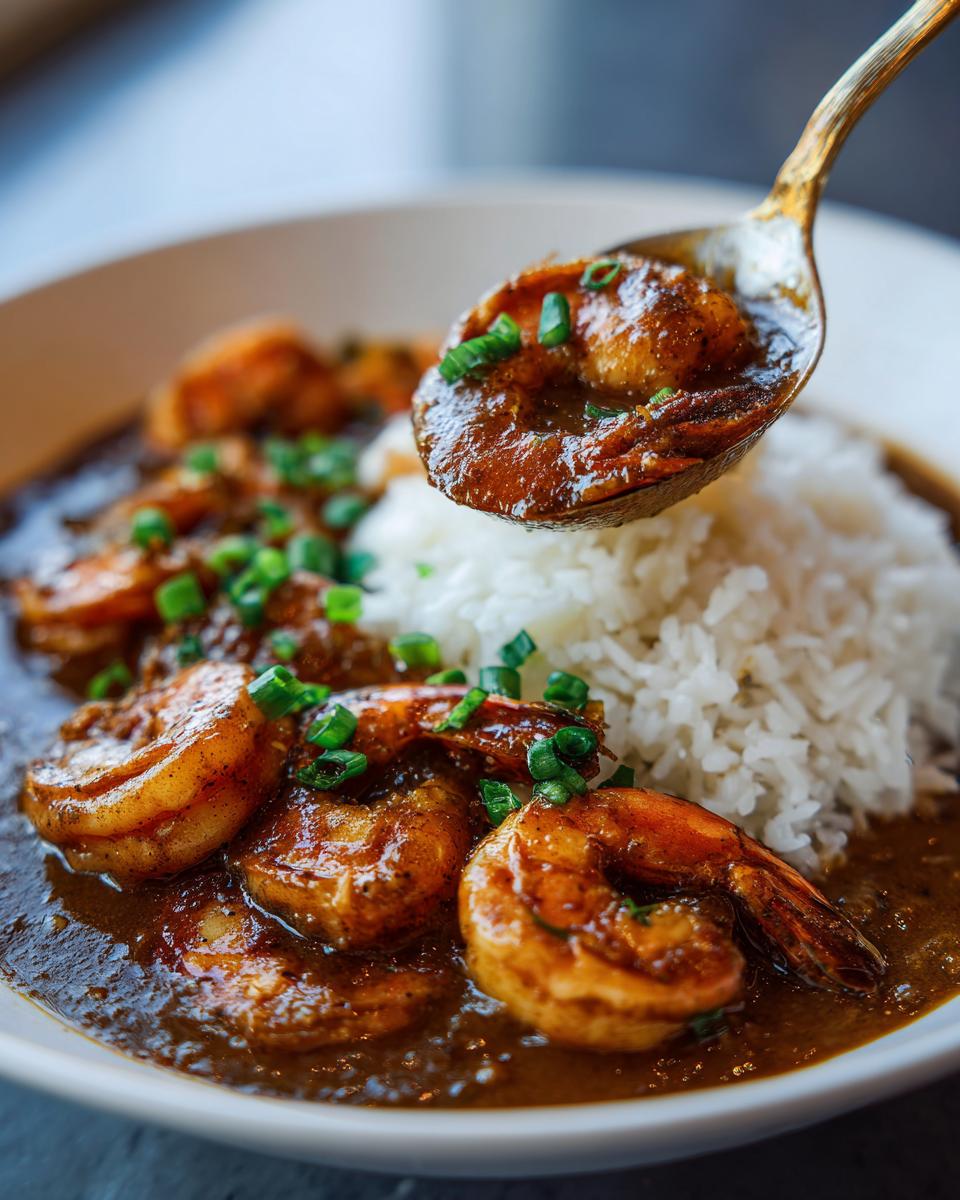
Let’s quickly touch on a couple of those ingredients because they really impact this Spicy Shrimp Dinner. First up, the stock! I used seafood stock because, well, it just adds that undeniable seafood background note. But hey, if all you have is good quality chicken stock, absolutely use that. It works perfectly fine!
Now for the heat level—that cayenne pepper is doing the heavy lifting here. If you’re serving this to folks who don’t like too much fire, just start with 1/4 teaspoon. You can always add more heat later, but you can’t take it out once it’s in! If you want to turn up the heat dial, maybe try a pinch or two of smoked paprika instead of more cayenne for a different kind of warmth, or check out my easy chili cheese dip recipe for other ways to manage spice levels.
Finally, don’t skip those green onions for garnish! They look pretty, sure, but that fresh, sharp bite cuts through the richness of the sauce perfectly. It’s the final touch on our Cajun Seafood Recipes.
Serving Suggestions for Seafood Smothered Over Rice
Okay, you’ve made the most beautiful, dark, rich shrimp etouffee—don’t mess it up now with sad sides! The absolute non-negotiable here is serving this over a generous mound of hot, fluffy white rice. That rice is the vehicle for soaking up every last drop of that amazing, flavorful sauce. This is pure New Orleans Comfort Food, after all!
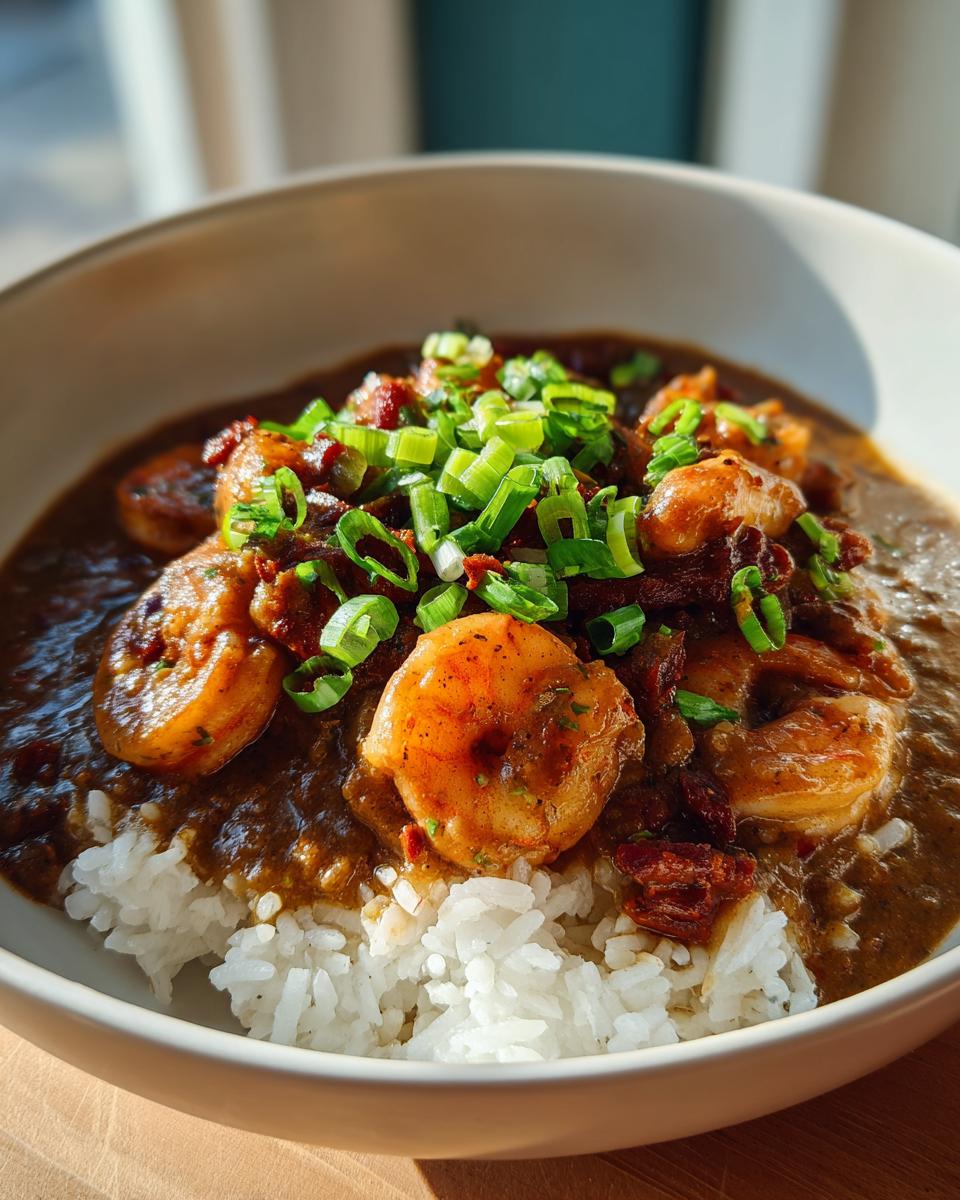
If you want to take it up a notch, having some crusty French bread on the side is non-negotiable. You need something sturdy for scooping up those last bits of gravy. And please, remember those chopped green onions we reserved? Scatter them liberally over the top for that fresh finish. It really makes it look professional! For a great bread option, check out my recipe for crusty homemade bread which would be perfect for dipping, or see how others enjoy their etouffee for serving ideas.
Storage and Reheating Instructions for Leftover Shrimp Etouffee
Yes! You absolutely get leftovers, because this is so good you won’t finish it all in one sitting—unless you try really hard! The sauce is going to get thick when it chills, which is totally normal for any good gravy made with a roux. Don’t panic when you pull it out of the fridge; you just need to wake it up slowly.
For reheating, always go low and slow on the stovetop. Put it in a pot over low heat. If it seems too stiff—and it probably will—just stir in a little splash of water or extra stock until it loosens up back to that perfect consistency. It keeps great in the fridge for about three days. These rich Cajun Seafood Recipes store beautifully!
Frequently Asked Questions About This Shrimp Etouffee
I know people have burning questions when it comes to the classics, especially when you’re diving into something as specific as shrimp etouffee. Don’t worry; I’ve gathered the ones I get asked most often after making this recipe for friends and family. Getting these little details right is how we ensure every batch tastes like a success story! If you’re looking for more ways to make weeknight cooking less stressful, you might enjoy some of my other healthy dinner recipes.
Can I make this shrimp etouffee ahead of time?
You absolutely can, and I highly recommend it for stress-free entertaining! The flavor only deepens overnight. My tip is to make the entire sauce base—that gorgeous, rich roux and the simmering vegetable mixture—a day ahead. Store it right in the pot in the fridge. Then, when you are ready to serve, just gently reheat the sauce, and add your raw shrimp right at the end. That keeps the shrimp perfectly tender, which is crucial for any great Southern Classic Dishes experience.
What is the difference between Cajun and Creole shrimp etouffee?
This is a fun one that Southerners argue about! Generally speaking, the biggest difference people point to is the tomato. If it has tomatoes, it often leans Creole; if it’s tomato-free, it’s more traditional Cajun. Since our recipe absolutely calls for canned tomatoes to build that great body, we are walking that delicious line right in the middle, giving you that rich flavor profile that satisfies everyone looking for Creole Dinner Ideas.
How do I ensure my shrimp stay tender in the etouffee?
This is vital! Shrimp cook incredibly fast—we’re talking 5 to 7 minutes max once they hit the simmering sauce. If you toss them in too early, you’ll end up with little rubber balls instead of tender morsels. Always make sure your sauce is simmering gently, and only add the raw shrimp in the last few minutes of cooking. That way, you nail that perfect texture for these meals.
Nutritional Data Estimate for This Homemade Cajun Favorite
So, you’ve made this amazing, deeply flavorful shrimp etouffee! While we believe this dish is nourishing for the soul, I know some of you track your macros. Here is the rough estimate for one serving size, based on the recipe breakdown. Please remember these are just estimates based on standard ingredients; they aren’t lab-tested results, because, well, I’m cooking for joy here, not a science experiment!
- Serving Size: 1.5 cups
- Calories: 380
- Protein: 30g
- Fat: 18g
- Carbohydrates: 25g
Authentic Cajun Shrimp Etouffee: Master the Rich Roux

Create a truly authentic New Orleans Shrimp Etouffee right in your kitchen. This recipe focuses on building a deep, savory flavor base using a proper dark roux, making this Southern classic accessible for your weeknight table.
- Prep Time: 15 min
- Cook Time: 45 min
- Total Time: 60 min
- Yield: 4 servings 1x
- Category: Dinner
- Method: Stovetop Simmering
- Cuisine: Cajun/Creole
- Diet: Low Fat
Ingredients
- 1/2 cup all-purpose flour
- 1/2 cup vegetable oil
- 2 cups chopped yellow onion
- 1 cup chopped celery
- 1 cup chopped green bell pepper
- 3 cloves garlic, minced
- 1 pound raw shrimp, peeled and deveined
- 4 cups seafood or chicken stock
- 1 (14.5 ounce) can diced tomatoes, undrained
- 1 teaspoon dried thyme
- 1 teaspoon smoked paprika
- 1/2 teaspoon cayenne pepper (adjust for heat)
- 1 bay leaf
- Salt and black pepper to taste
- 1/4 cup chopped green onions, for garnish
- Cooked white rice, for serving
Instructions
- Make the Roux: In a heavy-bottomed pot or Dutch oven, combine the flour and oil over medium heat. Stir constantly with a whisk or wooden spoon. Cook slowly, stirring continuously, until the roux reaches a dark brown color, similar to milk chocolate. This step takes patience, usually 20 to 30 minutes. Do not let it burn.
- Sauté the Trinity: Reduce the heat to medium-low. Add the onion, celery, and bell pepper (the ‘holy trinity’) to the roux. Cook, stirring often, until the vegetables soften, about 8 minutes. Add the minced garlic and cook for 1 minute more until fragrant.
- Build the Base: Slowly whisk in the seafood stock, a little at a time, ensuring the roux dissolves smoothly into the liquid without lumps. Add the diced tomatoes, thyme, smoked paprika, cayenne pepper, and bay leaf. Season with salt and pepper.
- Simmer: Bring the mixture to a gentle simmer. Reduce the heat to low, cover partially, and let it cook for 20 minutes, allowing the flavors to meld. Stir occasionally to prevent sticking.
- Add Shrimp: Increase the heat slightly to maintain a low simmer. Add the raw shrimp to the pot. Cook for 5 to 7 minutes, or until the shrimp are pink and opaque throughout. Do not overcook the shrimp.
- Finish and Serve: Remove the bay leaf. Taste the etouffee and adjust salt and pepper if needed. Serve the rich shrimp etouffee immediately over generous portions of hot white rice. Garnish with fresh chopped green onions.
Notes
- Mastering the dark roux is key to authentic Cajun flavor; keep the heat low and stir constantly to prevent scorching.
- For a thicker sauce, remove about 1 cup of the liquid before adding the shrimp, mix in 1 teaspoon of cornstarch, and then return it to the pot while simmering.
- Serve this Southern classic dish with crusty French bread to soak up the flavorful shrimp gravy.
Nutrition
- Serving Size: 1.5 cups
- Calories: 380
- Sugar: 4
- Sodium: 650
- Fat: 18
- Saturated Fat: 3
- Unsaturated Fat: 15
- Trans Fat: 0
- Carbohydrates: 25
- Fiber: 3
- Protein: 30
- Cholesterol: 210